
Visiting Wester Ross: A Guide to the Remote Scottish Highlands
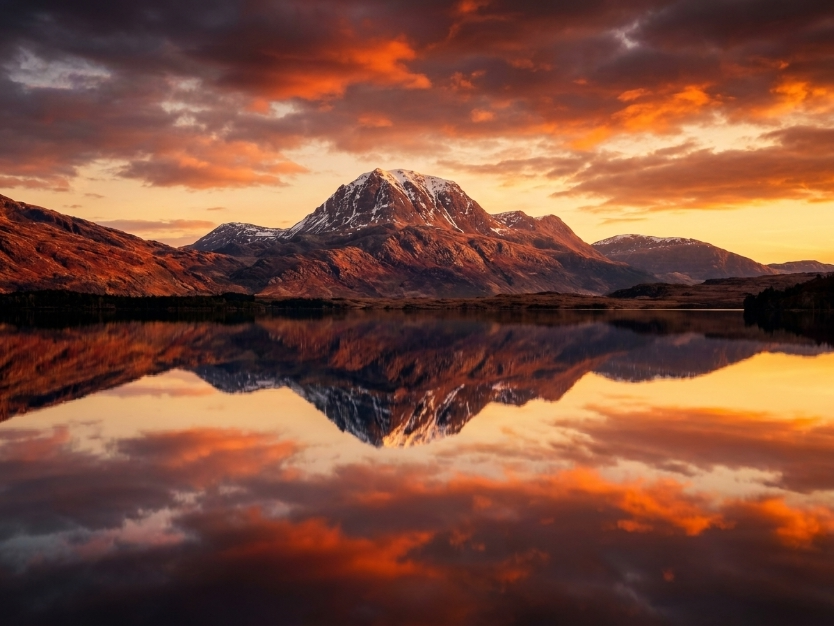
Wester Ross remains one of the last truly wild frontiers in the British Isles. Stretching along the north-west coast of Scotland, this vast region is defined by ancient sandstone mountains, sea lochs carved by glaciers, and sparse communities connected by winding single-track roads. For travellers seeking solitude, dramatic landscapes, and an escape from the frantic pace of modern life, Wester Ross offers an unmatched setting for slow exploration.
Planning a journey to this remote corner requires an understanding of its geography, weather patterns, and the rhythm of rural Highland life. This guide explores what makes Wester Ross a compelling destination, how to navigate its terrain, and why basing yourself in a central location like Kintail allows for deep, unhurried discovery.
Why Wester Ross Captures the Imagination
The landscape of Wester Ross is geologically distinct from much of Britain. The region is dominated by Torridonian sandstone peaks—such as Beinn Eighe, Liathach, and the iconic Stac Pollaidh—which rise abruptly from low-lying moorland. These mountains are among the oldest in Europe, weathered by millennia of wind, rain, and ice into terraced profiles and sheer quartzite scree slopes.
Unlike the softer, rolling hills found further south, Wester Ross presents a raw, elemental environment. Sea lochs like Loch Torridon and Loch Carron bite deep into the mainland, creating shifting coastal light that photographers and artists travel thousands of miles to witness. The Gulf Stream touches this coast, supporting unexpected pockets of temperate rainforest—such as the ancient woodlands at Beinn Eighe National Nature Reserve—alongside rugged coastal cliffs and expansive sand beaches like Camusdarach or Sandwood further north.
Wester Ross is also recognised as part of the Wester Ross Biosphere, a UNESCO-designated area that celebrates the region’s unique blend of natural heritage and sustainable community living.
Best Time to Visit the Scottish Highlands
Choosing when to visit depends heavily on your priorities as a traveller, whether that is photography, hiking, or simply experiencing the profound quiet of the landscape.
Spring (April to May)
Spring is widely considered one of the best windows for outdoor enthusiasts. During these months, rainfall is historically lower than in late summer or autumn, daylight hours increase rapidly, and the notoriously persistent Highland midges have not yet emerged. The hillsides are crisp, and clear morning light often illuminates the remaining snow caps on the highest peaks.
Summer (June to August)
Summer brings maximum daylight, with twilight lingering past midnight in the far north. Wildflowers bloom across the moorlands, and all local amenities, ferries, and visitor centres are fully operational. However, this is also peak tourism season, meaning narrow roads see higher traffic volumes, and accommodation books many months in advance. Visitors must also prepare for the midge season, which peaks during damp, still summer days.
Autumn (September to October)
For photographers and nature lovers, autumn is transformative. The bracken turns a rich amber and copper, the birch woods glow gold, and the first dustings of snow appear on mountain summits. The atmosphere shifts back to a quieter, more contemplative pace as visitor numbers decline. Shorter days mean lower sun angles, offering extended “golden hours” for landscape photography.
Winter (November to March)
Winter in Wester Ross is formidable and deeply atmospheric. Short daylight hours and frequent storms demand respect and preparation. Snow and ice can make driving challenging on single-track roads, and many local businesses close for the season. Yet, for those equipped for winter mountaineering or seeking complete isolation beneath dark skies, the winter months offer an authentic, untamed experience.
Navigating the Terrain and Logistics
Travelling through Wester Ross requires a shift in mindset. Distances on a map can be deceiving; narrow roads, sheep wandering onto tarmac, and the necessity of pulling over into passing places mean average driving speeds are much lower than on standard highways.
-
Driving Etiquette: Master the passing place system. Always pull over to your left to let vehicles pass, or wait opposite a passing place on your right. Never park in passing places, as this creates bottlenecks for local traffic and emergency services.
-
Weather Preparedness: Highland weather is notoriously volatile. It is entirely possible to experience four seasons in a single day. Layering technical clothing, carrying waterproof outerwear, and having reliable footwear are non-negotiable requirements, even for short walks.
-
Leave No Trace: Wester Ross is a fragile ecosystem. Take all litter home, respect livestock, and use designated facilities. Wild camping is welcomed under the Scottish Outdoor Access Code, provided it is done responsibly and away from enclosed properties.
Key Highlights and Areas to Explore
Wester Ross spans a large geographic area, but certain regions offer exceptional concentrations of natural beauty and outdoor access.
Torridon and Glen Torridon
Framed by some of Scotland’s most dramatic peaks, Torridon is a mecca for hillwalkers and geologists. Walking beneath the massive northern corries of Liathach or exploring the shores of Loch Torridon reveals a landscape on a grand, humbling scale.
The Applecross Peninsula
Reached via the Bealach na Bà—one of Britain’s highest road passes featuring hairpin turns reminiscent of Alpine routes—Applecross offers panoramic views stretching across the Inner Hebrides to Skye and Raasay. The peninsula is a haven for coastal wildlife, including otters, seals, and sea eagles.
Kintail and Loch Duich
Positioned at the gateway between Wester Ross and the Isle of Skye, the Kintail region is dominated by the Five Sisters of Kintail ridge. This area combines dramatic mountain topography with rich history, including the iconic Eilean Donan Castle standing sentinel where three sea lochs meet.
Staying centrally in a location like Kintail provides a strategic base. It allows travellers to venture north into Torridon and Wester Ross by day, while remaining close to the Skye bridge and southern Lochalsh routes, minimising time spent driving long distances between destinations.
Planning Your Highland Journey
A successful trip to the Scottish Highlands is built on flexibility and patience. Allow extra time in your itinerary to simply pull over, watch the light shift across a sea loch, or wait out a passing rain shower. By moving slowly and observing the natural rhythms of the land, visitors begin to understand why this remote frontier holds such a lasting grip on those who journey here.
For those planning an immersive escape to this dramatic region, choosing a quiet, well-positioned base allows you to experience the Highlands on your own terms. Learn more about the area and accommodation options by visiting Innis-a-Chro Luxury Cottages.