
Introduction: Why Kintail Remains One of the Most Captivating Corners of the Highlands
The Scottish Highlands evoke powerful imagery: mist clinging to steep mountain ridges, deep freshwater lochs reflecting shifting skies, and glens that feel entirely removed from the modern pace of life. Yet, among the many regions that draw travellers north, Kintail holds a distinct and compelling character. Located in the northwest Highlands, this landscape is defined by dramatic geography, rich clan history, and an atmosphere of profound quiet.
For travellers planning a journey into the rugged scenery of Wester Ross and Lochalsh, Kintail offers an authentic encounter with Scotland’s raw topography. Whether you are drawn by the challenge of iconic mountain ridges, the stillness of sea lochs, or the desire for a slower travel experience, understanding the landscape is essential for a rewarding visit. This guide explores what makes Kintail a cornerstone of Highland exploration, offering practical insights for nature enthusiasts, photographers, and those seeking a restorative escape.
Understanding the Kintail Landscape and Geography
To appreciate Kintail fully, it helps to understand its unique position within the West Highlands. Centred around Glen Shiel and Loch Duich, the area serves as a natural corridor connecting the Great Glen and Skye to the dramatic coastline of the northwest.
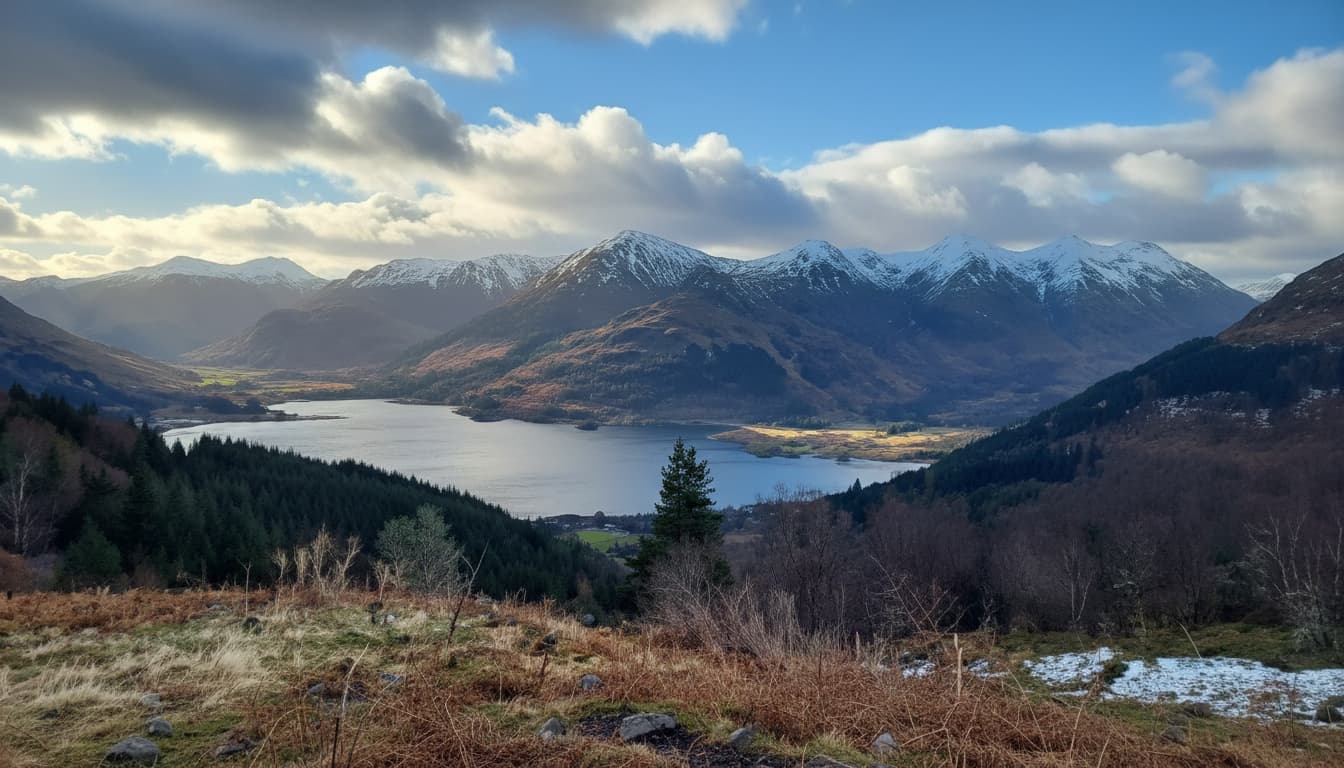
The Five Sisters of Kintail
Dominating the skyline of Glen Shiel are the Five Sisters of Kintail—a dramatic ridge comprising steep peaks including Sgurr na Ciste Duiche and Sgurr Mor. These mountains are among the most recognisable in Scotland, featuring sharp quartzite scree, sweeping corries, and panoramic views stretching across to the Isle of Skye and the Outer Hebrides. Hillwalkers and photographers are drawn to their formidable profiles, which shift in appearance with every change in weather and light.
Loch Duich and Coastal Inlets
Flowing from the mountains down to the sea, Loch Duich meets Loch Alsh and Loch Long, creating a dynamic coastal environment where saltwater tides mingle with freshwater burns. The sea lochs introduce a sense of maritime calm, framed by wooded shores and tidal mudflats that attract wading birds and marine wildlife, including otters and seals.
Planning Your Journey: Seasons and Practical Logistics
Experiencing the Highlands successfully requires thoughtful preparation. The weather in Kintail, as across Wester Ross, is notoriously changeable, often showcasing four seasons in a single day.
Best Time to Visit
-
Spring (April to May): Often brings stable, dry weather, fewer midges, and longer daylight hours as wildflowers begin to bloom across the glens.
-
Summer (June to August): Offers maximum daylight and lush green landscapes, though popular routes can be busier and biting midges are common on calm, humid days.
-
Autumn (September to November): Delivers striking amber and russet foliage, dramatic cloud inversions, and crisp air, making it a favourite season for landscape photographers.
-
Winter (December to March): Brings deep snow to the high tops, short daylight hours, and profound solitude, suited best for experienced winter mountaineers and those seeking total quiet.
Essential Travel Logistics
Reaching Kintail typically involves driving via Inverness along the A87, a scenic route that passes through Glen Moriston and past Loch Cluanie. Having a reliable vehicle is essential for exploring the scattered settlements and remote trailheads of the area. Visitors should familiarise themselves with single-track roads and passing places, allowing ample time for journeys where the scenery commands frequent stops.
Photography and Natural Light in Wester Ross
For visual storytellers and landscape photographers, Kintail offers exceptional opportunities. The interplay between high relief and coastal water creates unique atmospheric conditions.
Capturing the Light
The latitude of the Scottish Highlands means that during summer, twilight lingers for hours, casting a golden hue over the mountains late into the evening. In autumn and winter, the low sun angle creates long shadows and dramatic side-lighting across the peaks of Glen Shiel.
Key Photographic Subjects
-
Eilean Donan Castle: Situated where three sea lochs meet near Dornie, this iconic fortress offers striking compositions at high tide when reflections mirror its stone walls against the backdrop of Loch Alsh.
-
The Falls of Glomach: One of Britain’s highest waterfalls, tucked away in a remote gorge above Glen Elg, rewarding hikers with dramatic scale and movement.
-
The Cluanie Ridge: Expansive vistas across high-altitude bogland and sweeping ridges under vast Highland skies.

Innis a Chro – Luxury Cottages in Scotland
Slow Travel and Immersion in Nature
A growing number of travellers are shifting away from fast-paced sightseeing in favour of slow travel—an approach that prioritises depth, connection, and lower environmental impact. Kintail is ideally suited to this philosophy.
Rather than treating the region as a stopover en route to Skye, slowing down allows visitors to notice the smaller details: the scent of bog myrtle after rain, the calls of red deer stags echoing across the glen during the autumn rut, or the subtle variations in lichen growth on ancient Atlantic oakwoods.
Connecting with the Local Environment
-
Mindful Walking: Exploring low-level trails along the shores of Loch Duich or through the ancient woodlands of Attadale provides a grounded connection to the terrain without requiring strenuous mountaineering.
-
Wildlife Watching: Patient observation near the shoreline or riverbanks frequently rewards quiet visitors with sightings of golden eagles soaring above the ridges or pine martens moving through native forest remnants.
Finding a Base for Exploration
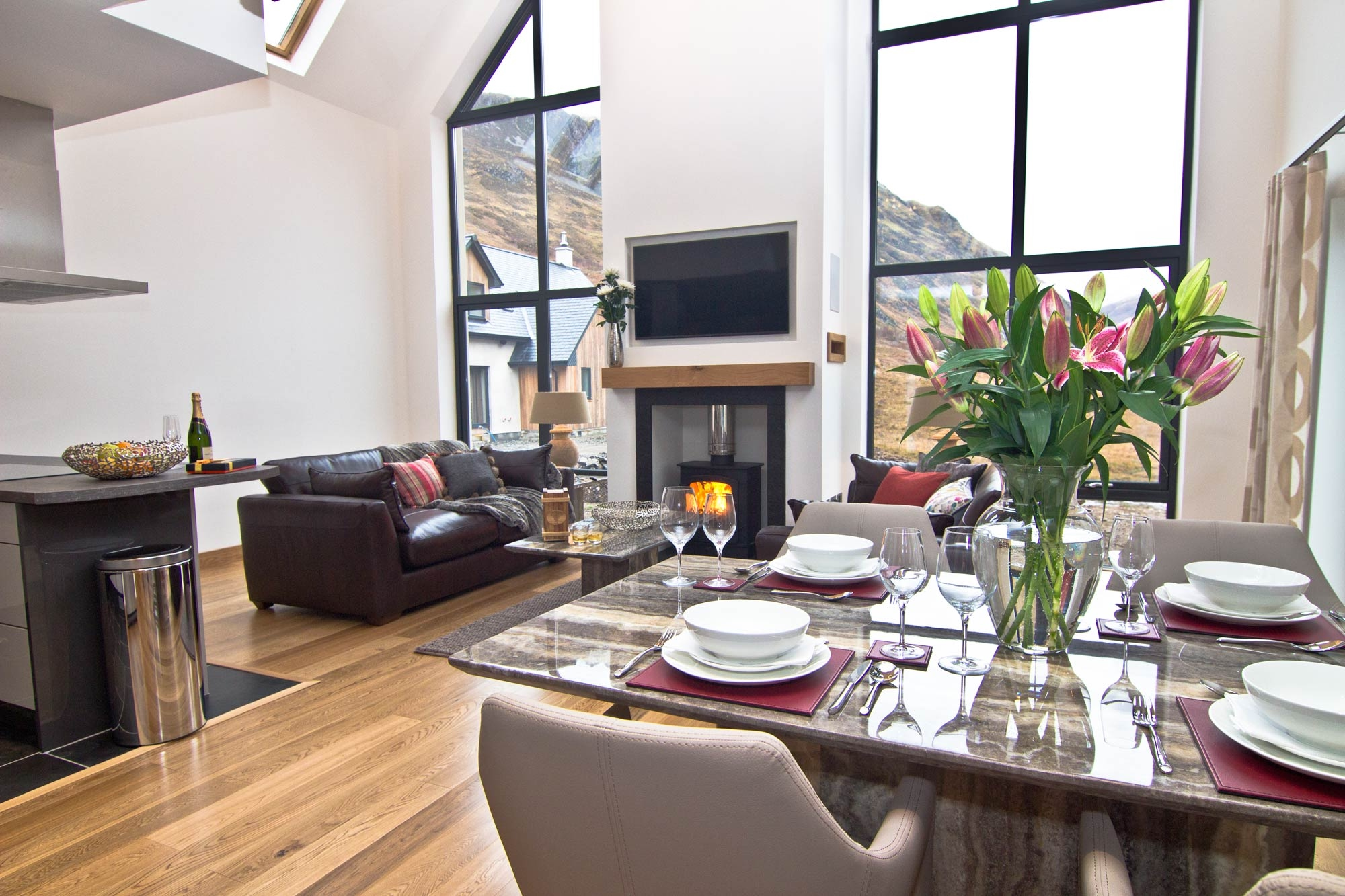
When exploring a region as geographically diverse as Kintail, having a comfortable, well-positioned place to rest is invaluable. While hotels and guesthouses are available, many travellers prefer self-catering accommodation that allows for independence and a genuine sense of living within the landscape.
For those looking to base themselves amidst this scenery, staying locally in properties designed to blend comfort with the surrounding environment offers a tranquil retreat after a day on the hills or roads. A considered base allows you to cook with local produce, dry outdoor gear, and watch the changing weather over the sea loch from a warm, quiet room.
To discover more about the area and find an ideal base for your Highland journey, visit Luxury Cottages Scotland.
Conclusion
Kintail remains a place that rewards curiosity, patience, and respect for the natural world. By looking beyond the surface and taking the time to understand its weather, geography, and quiet rhythms, travellers can experience the Scottish Highlands at their most authentic. Whether you come to walk the high ridges, photograph the shifting light over Loch Duich, or simply find stillness in a remote glen, Kintail offers an enduring connection to one of Britain’s most magnificent landscapes.