
The Scottish Highlands represent one of the last true wildernesses in Europe. For those planning a visit, the landscape offers a profound sense of scale, from the jagged peaks of the Five Sisters of Kintail to the mirrored surfaces of deep sea lochs. However, the quality of your experience is often dictated by your choice of base.
As the demand for “slow travel” increases, the criteria for selecting accommodation have shifted. Travellers are no longer just looking for a bed; they are seeking a vantage point—a place that bridges the gap between modern comfort and the raw, unpredictable beauty of the North West Highlands.
What Defines a Premium Highland Retreat?
When researching the best luxury cottages in Scotland, it is easy to be overwhelmed by generic marketing. To find a stay that truly enhances a trip, one must look beyond aesthetic finishes and focus on how a property interacts with its environment.
A high-quality Highland retreat should offer:
-
Architectural Integration: Buildings that use natural materials like stone, wood, and glass to complement rather than disrupt the skyline.
-
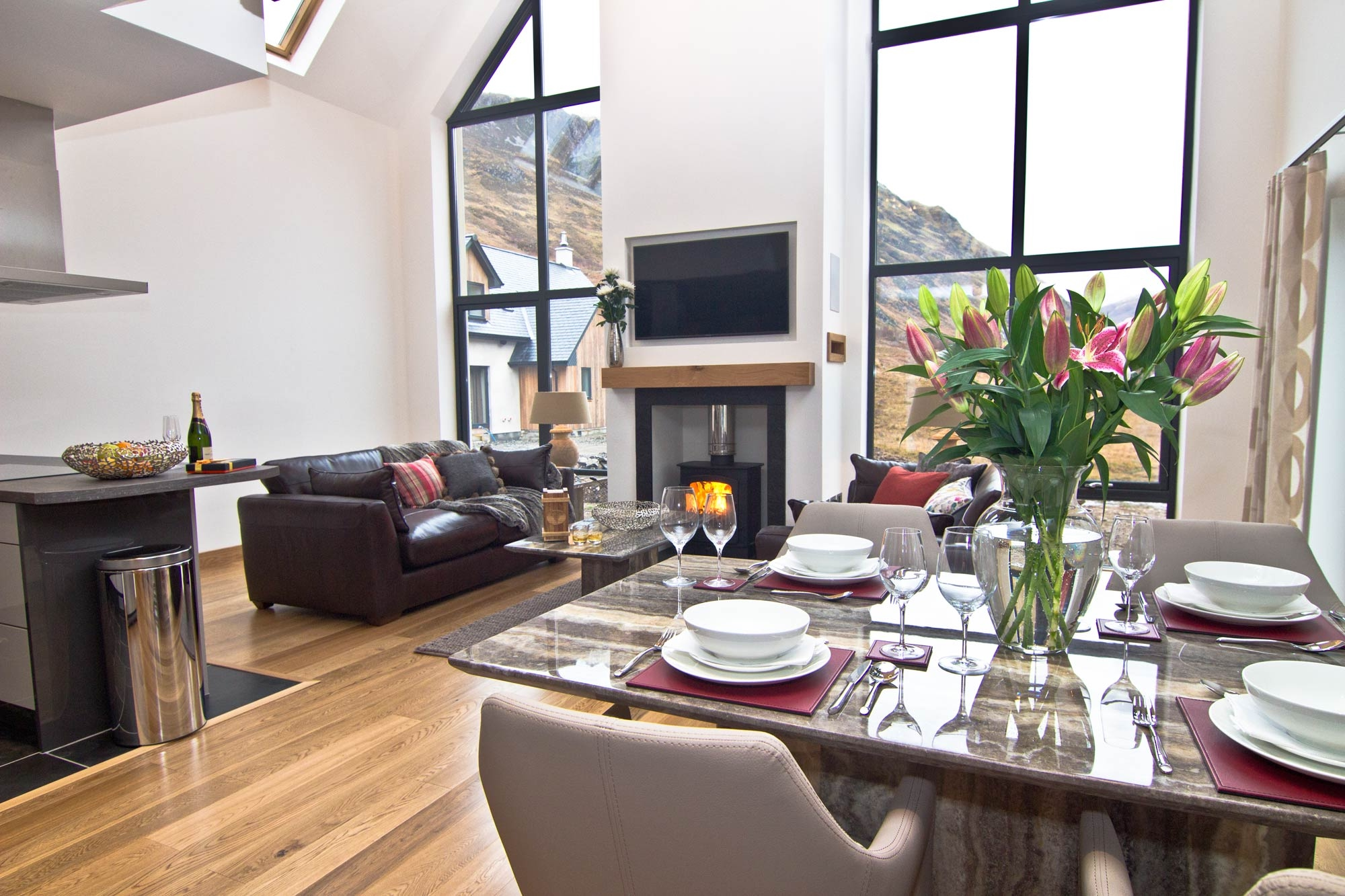
Purposeful Views: Large windows are essential, not just for light, but to allow the changing Highland weather to become part of the interior experience.
-
Seclusion Without Isolation: The ability to feel entirely alone in nature while remaining within reach of essential mountain passes and coastal routes.
-
High-Spec Utility: High-speed internet, efficient underfloor heating, and well-equipped kitchens are functional necessities for those staying for a week or longer.
Why Location Matters: The Kintail Connection
The geography of the Highlands is diverse. While the Cairngorms offer rolling plateaus and ancient pine forests, the West Coast is defined by its verticality and maritime influence.
Choosing a location like Kintail or the surrounding Wester Ross area provides a strategic advantage. It serves as a gateway to both the Isle of Skye and the deeper reaches of the North West, allowing for varied day trips without the need for constant packing and unpacking. This area is home to some of the most iconic Munros (mountains over 3,000 feet), including the famous ridge of the Five Sisters.
The Importance of the “Base Camp” Mentality
For photographers and hikers, the best accommodation acts as a “base camp.” This means having a warm, dry space to return to after a day of unpredictable Atlantic weather. When evaluating a cottage, consider its proximity to trailheads and its facilities for drying gear. A property that understands the needs of the outdoor enthusiast is often superior to one that focuses solely on decor.
Navigating the Seasons in Northwest Scotland
Understanding the seasonal nuances of the Highlands is crucial for setting expectations. There is no “wrong” time to visit, but the experience varies significantly throughout the year.
Spring (March to May)
This is a favourite for many seasoned travellers. The days are lengthening, the peaks are often still capped with snow, and the air is exceptionally clear—perfect for long-distance photography. It is also the period before the midges emerge, making it ideal for low-level glen walks.
Summer (June to August)
The season of the “midnight oil.” In the far north, it never truly gets dark in mid-summer. The flora is at its most vibrant, and the wildlife—including red deer and golden eagles—is highly active. However, this is also the busiest period, requiring bookings to be made many months in advance.
Autumn (September to November)
The landscape turns to hues of burnt orange, gold, and deep brown. The rutting season for red deer begins, and the roaring of stags can often be heard from your doorstep. The light becomes softer and more directional, which is highly prized by landscape photographers.
Winter (December to February)
A time for those seeking absolute stillness. The Highlands in winter are stark and dramatic. Short days lead to long, cozy evenings by a fire. While some high-level hiking requires specialist winter skills, the lower glens remain accessible and hauntingly beautiful.
Essential Amenities for a High-End Self-Catering Experience
When browsing Scottish Highland holiday rentals, look for evidence of quality that goes beyond the surface. A truly premium cottage will prioritise the following:
-
Thermal Efficiency: The Scottish weather is formidable. Modern insulation, triple glazing, and reliable heating systems (such as air-source heat pumps) ensure the cottage remains a sanctuary regardless of the wind speed outside.
-
Kitchen Capabilities: Slow travel often involves cooking local produce—perhaps venison from a local butcher or seafood from a nearby pier. A kitchen should be stocked with professional-grade cookware, not just the basics.
-
Space to Decompress: Look for open-plan living areas that allow for communal interaction while providing enough “nooks” for quiet reading or contemplation.
-
Connectivity: While many come to disconnect, the reality of modern travel involves checking weather maps, avalanche reports, or simply streaming a film. Robust Wi-Fi is a hallmark of a well-managed modern cottage.
Photography and the Art of Observation
For many, the primary draw of the Highlands is the light. The Northwest is famous for “four seasons in one day.” A cottage situated on an elevated site, such as those found at Innis-a-Chro, allows guests to watch storms roll in over the mountains and rainbows form across the glens without leaving the comfort of the living room.
Tips for Capturing the Highland Landscape
-
The Blue Hour: The period just before sunrise and after sunset provides a cool, ethereal light that is particularly striking against the rugged textures of the mountains.
-
Scale: Include a small element, like a distant cottage or a lone walker, to give the viewer a sense of the immense scale of the Kintail peaks.
-
Water: Use long exposures on the many waterfalls or the shoreline of Loch Duich to create a sense of movement and serenity.
Logistics: Getting to the North West Highlands
Reaching the more remote parts of Scotland requires a bit of planning. Most international visitors fly into Inverness, Glasgow, or Edinburgh.
-
From Inverness: A scenic drive of approximately two hours will bring you into the heart of Kintail. This route takes you past Loch Ness and through the stunning Glen Moriston.
-
From the South: The drive through Glen Coe and Fort William is widely considered one of the most beautiful road trips in the world.
-
Car Rental: A vehicle is essential for exploring this region. While the main roads (like the A87) are well-maintained, many secondary roads are “single track” with passing places. Driving here requires patience and an understanding of local etiquette.
Sustainability and Responsible Travel
The Highland ecosystem is fragile. When choosing where to stay, consider the environmental footprint of the accommodation. Responsible operators focus on:
-
Energy Sources: Utilising renewable energy where possible.
-
Waste Management: Encouraging recycling and reducing single-use plastics.
-
Supporting Local: Providing guests with information on local producers, craftsmen, and guides to ensure the economic benefits of tourism stay within the community.
Choosing a stay that respects the land ensures that the Highlands remain pristine for future generations. It is about being a guest of the landscape, not just a consumer of it.
Finding Your Ideal Highland Base
The search for the best luxury cottages in Scotland eventually leads to a choice between the generic and the authentic. The most rewarding stays are those that feel like a natural extension of the hills—places where the boundary between the “indoors” and the “outdoors” is blurred.
In Kintail, the focus is firmly on the mountains. Whether you are aiming to bag a series of Munros or simply want to sit with a coffee and watch the clouds crest over the ridges, the right accommodation provides the framework for those memories. It is the difference between a holiday and an immersion.
As you plan your journey north, look for properties that demonstrate a deep connection to their specific glen or loch. The Highlands are not a monolith; each corner has its own character, its own weather patterns, and its own stories.
To explore a location that balances modern architectural design with the ancient ruggedness of Kintail, consider how a stay in a dedicated mountain-view retreat could redefine your Highland experience.
Discover the quiet sophistication of Innis-a-Chro and plan your escape to the peaks at Innis-a-Chro Luxury Cottages.