
Discovering the Essence of Kintail: A Guide to the Highland Landscape
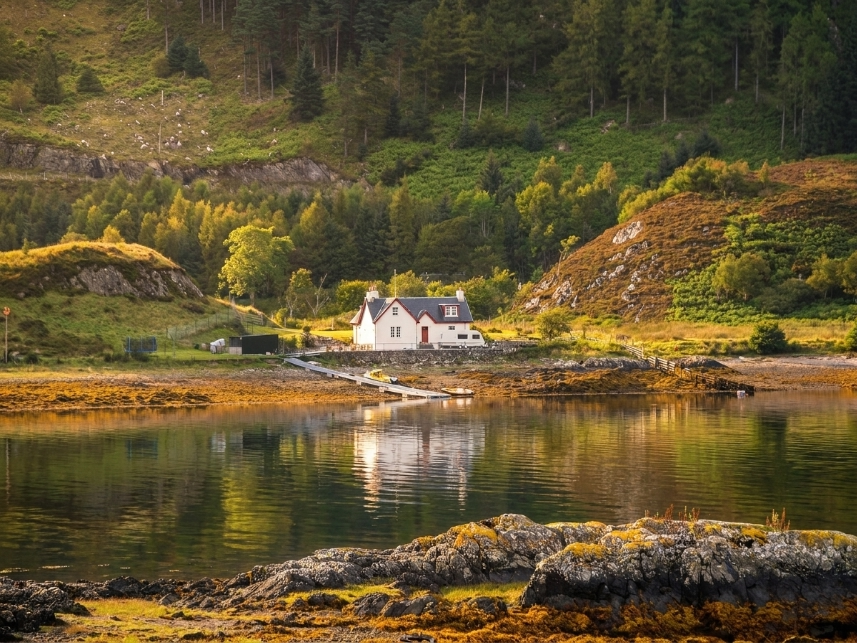
The Scottish Highlands often feel like a landscape that exists between worlds. In the northwest, where the salt air of the sea lochs meets the ancient, rugged geology of the mountains, the environment shifts. Kintail, situated in the heart of this region, offers an immersion into a geography defined by immense scale, volatile light, and a profound sense of isolation that is increasingly rare. For those seeking to step away from the pace of modern life, this area serves as a primary point of departure for understanding what makes the Scottish wilderness compelling.
Why Kintail Remains the Heart of Highland Exploration
Kintail is not merely a place one passes through; it is a destination that demands presence. Defined by the Five Sisters of Kintail—a ridge of peaks that dominate the skyline—the area provides a quintessential Highland experience. The convergence of Loch Duich, Loch Long, and Loch Alsh creates a complex shoreline where the tide dictates the mood of the landscape.
Unlike the more accessible tourist hubs further south or east, the terrain here encourages a different approach to travel. It is a place where slow-paced exploration allows the subtle shifts in weather and light to become the primary focus of the day. Whether you are observing the way mist clings to the slopes of the Mam Ratagan pass or tracking the golden hour as it strikes the slopes of Beinn Fhada, the landscape requires an engaged, observational mindset.
Navigating the Terrain: Practical Insights for Photographers and Walkers
For those who travel with a focus on photography or hiking, the logistics of the Highlands are essential. The weather is not a background element; it is the dominant force.
Understanding Light and Weather Conditions
The light in this part of the world changes rapidly. A morning of heavy, atmospheric cloud cover can break into sharp, directional sunlight within minutes, creating high-contrast scenes on the surrounding Munros. Photographers often find that the best images emerge not on perfectly clear days, but during the moments of transition when storms are clearing.
To plan effectively:
-
Prioritise mornings and late afternoons when the sun is at a lower angle.
-
Use local weather services that account for mountain topography, as the wind speed and visibility at the summit will differ significantly from the conditions at sea level.
-
Carry adequate gear for all conditions, regardless of the forecast. The damp environment requires weather-sealed equipment and waterproof layers, even in the summer months.
Choosing Your Base for Deep Exploration
When planning a trip to a remote area, the quality of your accommodation influences your experience. Rather than staying in transient locations, finding a central base within Kintail allows you to establish a rhythm. Staying near the base of the mountains enables early starts, allowing you to reach trailheads before the weather shifts or before the light loses its quality.
A self-contained property in the west coast provides the quiet necessary to process the day, offering a private space to review maps, sort photographs, or simply watch the clouds move across the loch.
The Seasonal Rhythm of the Highlands
The Highlands possess a distinct personality in every season. Understanding this cycle helps in timing a visit to match your specific interests.
Spring and Early Summer
This is the season of renewal, characterised by long daylight hours. The flora begins to bloom, and the harshness of the winter landscape softens. It is the best time for those who want to maximise time outdoors, though it requires preparation for midges as the temperatures rise.
Autumn and Winter
Autumn brings the bracken to a deep rust colour, providing a vibrant contrast against the dark rock of the mountains. Winter, conversely, is for the serious observer. The days are short, but the low, horizontal light can be spectacular. During this time, the landscape feels genuinely wild, and the silence of the glens is most profound.
Connecting with the Local Geography
The history of Kintail is etched into its physical features. From the ruins of ancient settlements to the traditional dry-stone walls that still stand against the elements, the human connection to this land has always been one of endurance.
Visitors often find the most value in small, meaningful interactions with the landscape.
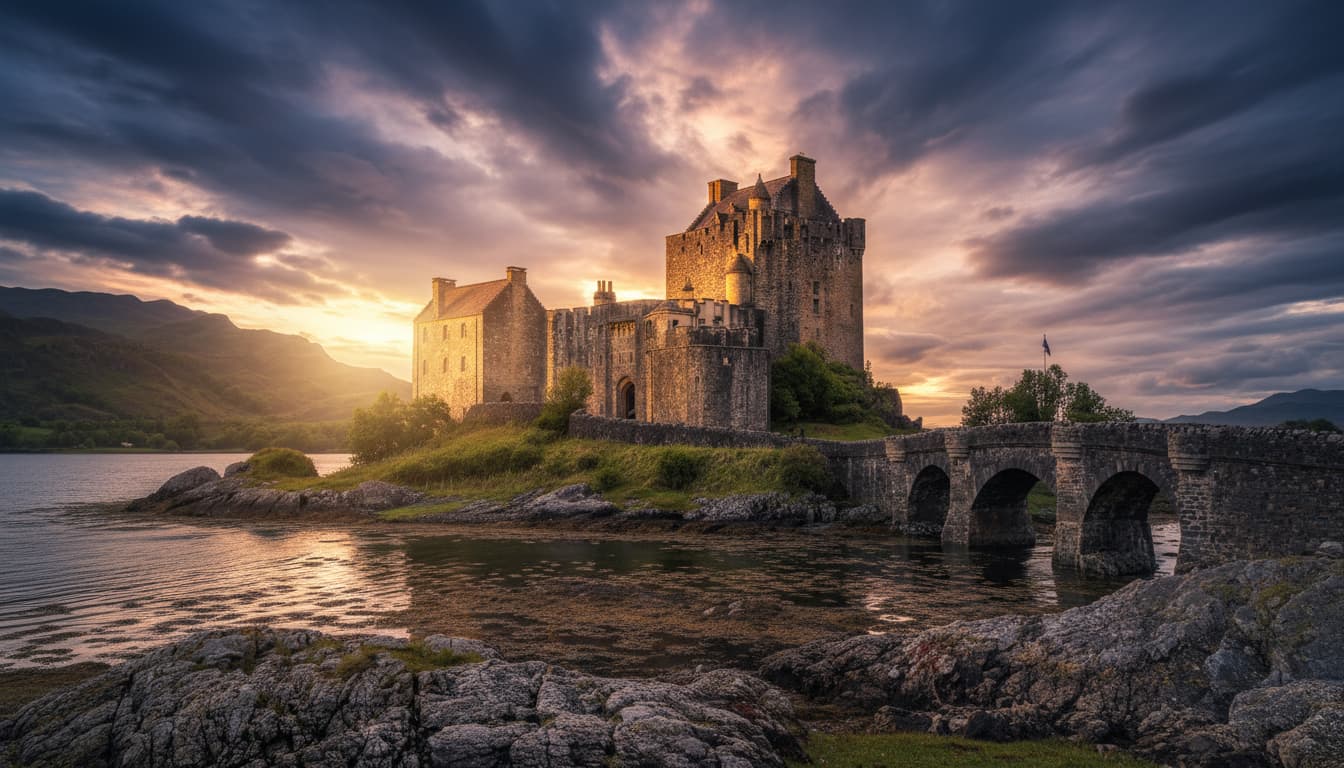
This might mean spending an afternoon walking the shoreline of Loch Duich at low tide, visiting Eilean Donan Castle, or exploring the lesser-known glens that branch off the main road. The goal is to move beyond the checklist of major landmarks and find the quieter corners where the character of the Highlands is most authentic.
Planning Your Highland Stay
Successful travel to the Scottish Highlands relies on a balance between preparation and flexibility. By basing yourself in a location that respects the natural rhythm of the area, you ensure that the landscape remains the focus of your trip. The objective is to find a sanctuary that complements the raw beauty of the outdoors—a place to return to that feels like a natural extension of the environment itself.
To explore options for a base that allows for this type of immersive, slow-paced exploration, you can learn more about accommodation in this region by visiting https://www.luxury-cottages-scotland.co.uk.
SEO Title: Kintail Highlands: A Guide to Landscapes and Slow Travel
Meta Description: Discover the essence of Kintail in the Scottish Highlands. A practical guide for outdoor enthusiasts, photographers, and those seeking authentic, slow travel.