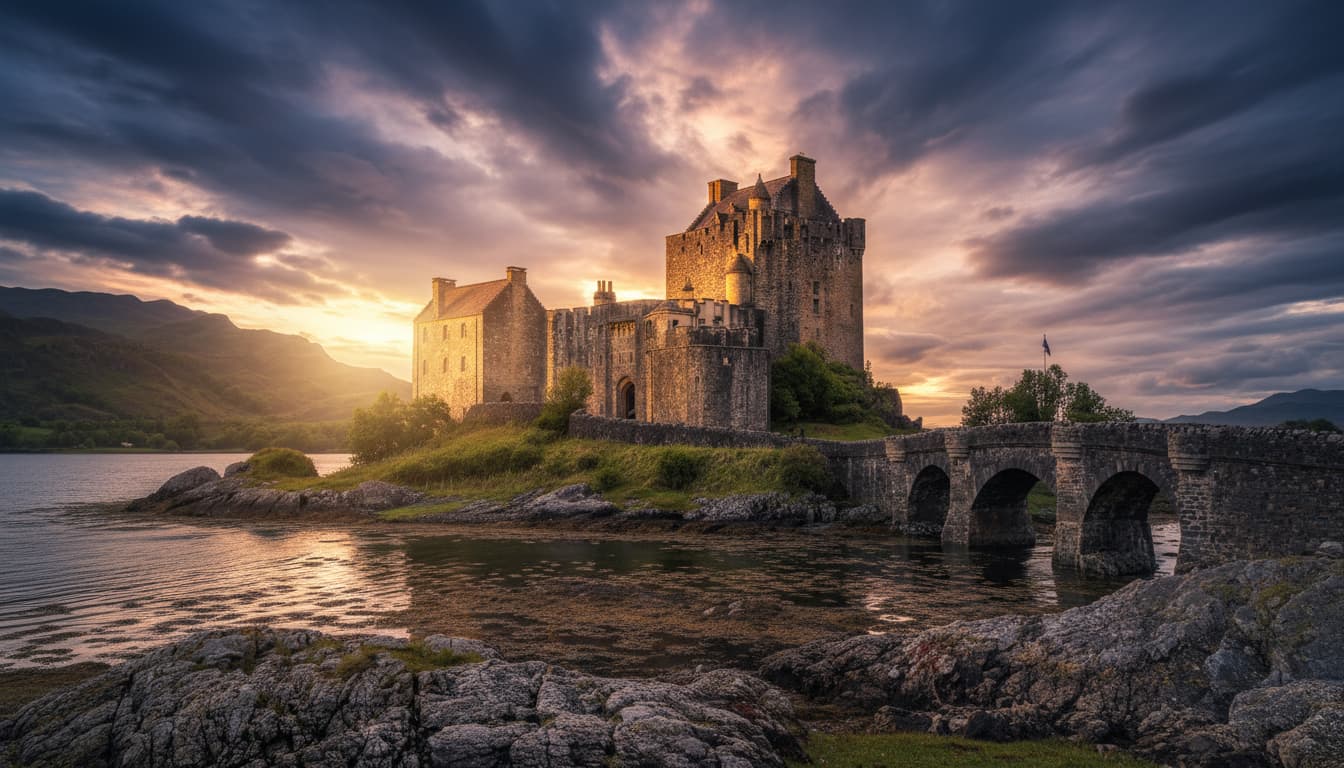
Discover the timeless romance of Eilean Donan Castle, perhaps the most iconic image of the Scottish Highlands, located just moments from Innis a Chro Luxury Cottages. Situated at the majestic meeting point of three great sea lochs—Loch Duich, Loch Long, and Loch Alsh—this 13th-century fortress offers a breathtaking glimpse into Scotland’s storied past. For guests seeking luxury accommodation near Eilean Donan, our cottages provide the perfect sanctuary to return to after a day of exploring the castle’s ancient keep, banqueting hall, and rugged battlements.

Whether you are visiting to capture the perfect “golden hour” photograph, exploring the history of the Clan Macrae, or attending a fairytale Highland wedding, Eilean Donan serves as a dramatic neighbor to your private retreat. Experience the cinematic beauty of the castle—famed for its appearances in James Bond and Highlander—before retreating to the secluded comfort of your luxury Highland lodge at Innis a Chro.

The Scottish Highlands often feel like a landscape that exists between worlds. In the northwest, where the salt air of the sea lochs meets the ancient, rugged geology of the mountains, the environment shifts. Kintail, situated in the heart of this region, offers an immersion into a geography defined by immense scale, volatile light, and a profound sense of isolation that is increasingly rare. For those seeking to step away from the pace of modern life, this area serves as a primary point of departure for understanding what makes the Scottish wilderness compelling.

Why Kintail Remains the Heart of Highland Exploration

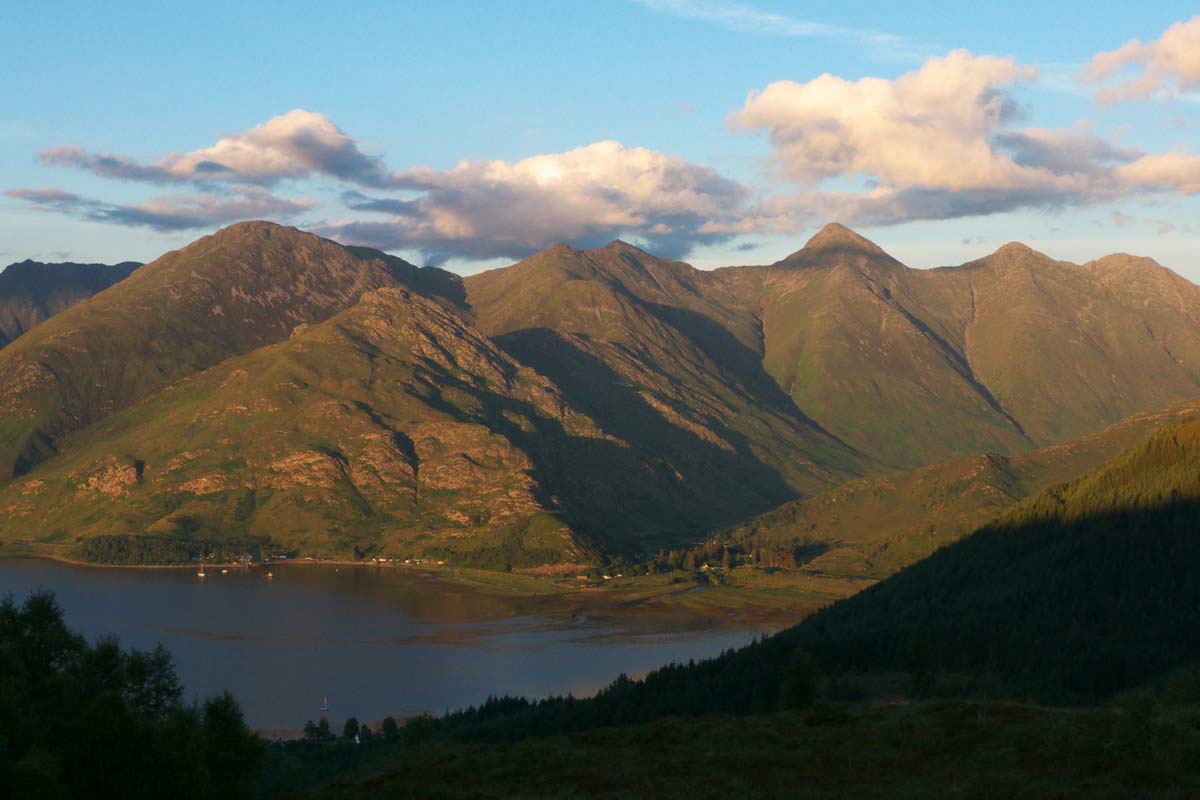
Kintail is not merely a place one passes through; it is a destination that demands presence. Defined by the Five Sisters of Kintail—a ridge of peaks that dominate the skyline—the area provides a quintessential Highland experience. The convergence of Loch Duich, Loch Long, and Loch Alsh creates a complex shoreline where the tide dictates the mood of the landscape.

Unlike the more accessible tourist hubs further south or east, the terrain here encourages a different approach to travel. It is a place where slow-paced exploration allows the subtle shifts in weather and light to become the primary focus of the day. Whether you are observing the way mist clings to the slopes of the Mam Ratagan pass or tracking the golden hour as it strikes the slopes of Beinn Fhada, the landscape requires an engaged, observational mindset.

Navigating the Terrain: Practical Insights for Photographers and Walkers

For those who travel with a focus on photography or hiking, the logistics of the Highlands are essential. The weather is not a background element; it is the dominant force.

Understanding Light and Weather Conditions

The light in this part of the world changes rapidly. A morning of heavy, atmospheric cloud cover can break into sharp, directional sunlight within minutes, creating high-contrast scenes on the surrounding Munros. Photographers often find that the best images emerge not on perfectly clear days, but during the moments of transition when storms are clearing.

To plan effectively:

  • Prioritise mornings and late afternoons when the sun is at a lower angle.

  • Use local weather services that account for mountain topography, as the wind speed and visibility at the summit will differ significantly from the conditions at sea level.

  • Carry adequate gear for all conditions, regardless of the forecast. The damp environment requires weather-sealed equipment and waterproof layers, even in the summer months.

Choosing Your Base for Deep Exploration

When planning a trip to a remote area, the quality of your accommodation influences your experience. Rather than staying in transient locations, finding a central base within Kintail allows you to establish a rhythm. Staying near the base of the mountains enables early starts, allowing you to reach trailheads before the weather shifts or before the light loses its quality.

A self-contained property in the west coast provides the quiet necessary to process the day, offering a private space to review maps, sort photographs, or simply watch the clouds move across the loch.

The Seasonal Rhythm of the Highlands

The Highlands possess a distinct personality in every season. Understanding this cycle helps in timing a visit to match your specific interests.

Spring and Early Summer

This is the season of renewal, characterised by long daylight hours. The flora begins to bloom, and the harshness of the winter landscape softens. It is the best time for those who want to maximise time outdoors, though it requires preparation for midges as the temperatures rise.

Autumn and Winter

Autumn brings the bracken to a deep rust colour, providing a vibrant contrast against the dark rock of the mountains. Winter, conversely, is for the serious observer. The days are short, but the low, horizontal light can be spectacular. During this time, the landscape feels genuinely wild, and the silence of the glens is most profound.

Eilean Donan Castle - Visitor Statistics

Connecting with the Local Geography

The history of Kintail is etched into its physical features. From the ruins of ancient settlements to the traditional dry-stone walls that still stand against the elements, the human connection to this land has always been one of endurance.

Visitors often find the most value in small, meaningful interactions with the landscape.

This might mean spending an afternoon walking the shoreline of Loch Duich at low tide, visiting Eilean Donan Castle, or exploring the lesser-known glens that branch off the main road. The goal is to move beyond the checklist of major landmarks and find the quieter corners where the character of the Highlands is most authentic.

Planning Your Highland Stay

Successful travel to the Scottish Highlands relies on a balance between preparation and flexibility. By basing yourself in a location that respects the natural rhythm of the area, you ensure that the landscape remains the focus of your trip. The objective is to find a sanctuary that complements the raw beauty of the outdoors—a place to return to that feels like a natural extension of the environment itself.

To explore options for a base that allows for this type of immersive, slow-paced exploration, you can learn more about accommodation in this region by visiting https://www.luxury-cottages-scotland.co.uk.

SEO Title: Kintail Highlands: A Guide to Landscapes and Slow Travel

Meta Description: Discover the essence of Kintail in the Scottish Highlands. A practical guide for outdoor enthusiasts, photographers, and those seeking authentic, slow travel.

The Scottish Highlands often conjure a specific set of images: mist clinging to jagged peaks, hidden lochs reflecting an ever-changing sky, and a silence so profound it feels tangible. For many travellers, the challenge isn’t deciding to visit, but deciding where to anchor themselves in a landscape that spans nearly 10,000 square miles.

While the Isle of Skye and the North Coast 500 command much of the international spotlight, those seeking a deeper, more authentic connection with the landscape are increasingly turning to Kintail. Located in the Northwest Highlands, this region serves as the gateway to the Atlantic seaboard and contains some of the most dramatic mountain architecture in the British Isles.

Whether you are a photographer chasing the “blue hour,” a hiker eyeing the Five Sisters, or a slow-traveller looking to escape the digital hum, this guide explores how to navigate and appreciate the raw beauty of Kintail and beyond.


Why Kintail is the Heart of the Scottish Highlands

Kintail is defined by the meeting of three sea lochs: Loch Duich, Loch Long, and Loch Alsh. This geographic convergence creates a microclimate and a visual drama that is rare even by Highland standards. Unlike the flatter moorlands of the east, the terrain here is vertical, ancient, and uncompromising.

The Geography of the Five Sisters

The most iconic landmark in the district is the Five Sisters of Kintail. This ridgeline consists of five distinct summits (three of which are Munros, or mountains over 3,000 feet) that rise sharply from the shores of Loch Duich. For outdoor enthusiasts, the ridge offers one of the finest hill-walking days in Scotland, providing a 360-degree panorama that stretches from the Cuillin of Skye to the peaks of Torridon.

A Gateway to the West

Kintail occupies a strategic position. It is far enough from the main tourist hubs to feel secluded, yet it sits perfectly between the Great Glen and the Skye Bridge. This makes it a practical base for those who want to explore Eilean Donan Castle, the Applecross Peninsula, and the falls of Glomach without spending their entire holiday behind a steering wheel.


Loch Alsh

Planning Your Visit: Seasons and Light

Understanding the rhythm of the Highlands is essential for a successful trip. The weather here is not something to be endured, but rather the very thing that gives the landscape its character.

The Best Time for Photographers

For those focused on Highland landscape photography, the shoulder seasons—late spring and autumn—are often superior to midsummer.

  • April to May: The air is often at its clearest, and the higher peaks may still carry a dusting of snow, providing a stark contrast against the budding greenery of the glens.

  • October to November: The bracken turns a deep russet, and the light stays low in the sky all day, casting long, dramatic shadows across the glens.

Navigating the Highland Climate

It is a local truism that you can experience four seasons in a single hour. When packing, the “layering system” is not just advice; it is a necessity. Waterproof shells, merino wool base layers, and sturdy, waterproof boots are the standard uniform for anyone venturing off the tarmac.

Pro Tip: Always check the MWIS (Mountain Weather Information Service) before heading out. Valley weather rarely reflects what is happening at 900 metres.


Slow Travel: Beyond the Typical Tourist Trail

Slow travel is about quality of experience over quantity of sights. Instead of rushing to tick off every viewpoint on a map, consider spending a full day within a five-mile radius of your accommodation. In Kintail, this approach reveals details most visitors miss.

Glen Elchaig and the Falls of Glomach

While most tourists stop at the roadside viewpoints, the interior of Kintail holds hidden gems like the Falls of Glomach. As one of the highest waterfalls in Britain, it is tucked away in a remote fold of the hills. The trek to reach it is demanding, but the reward is a sense of isolation and grandeur that represents the true spirit of the Highlands.

Wildlife Watching

The Northwest Highlands are a stronghold for species that have struggled elsewhere.

  • Red Deer: Often seen on the lower slopes of the hills during the winter and high on the ridges in summer.

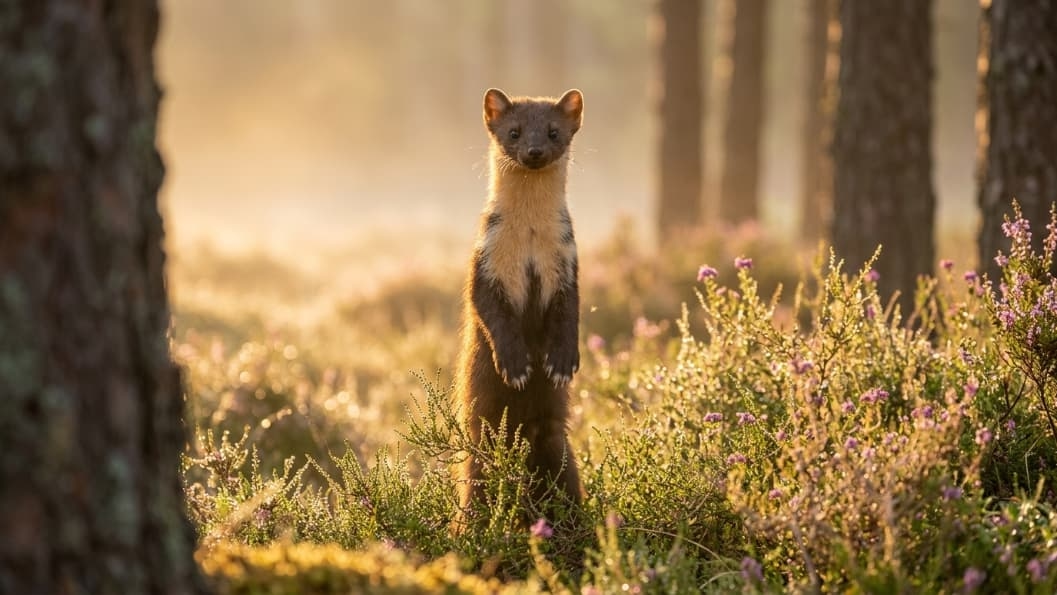
  • Pine Martens: Elusive but present in the wooded areas around Loch Duich.

  • Golden Eagles: Often spotted soaring over the high ridges of the Kintail peaks.

  • Otters: If you sit quietly by the shores of the sea lochs at dawn or dusk, you may be lucky enough to see an otter foraging among the kelp.


The Practicalities of a Highland Stay

When researching accommodation in the Scottish Highlands, the choice often comes down to convenience versus atmosphere. To truly appreciate the scale of the North West, staying in a location that allows you to start your hike or photo session from your front door is invaluable.

Finding an Authentic Base

Choosing a self-catering option provides the flexibility that hotel schedules lack—essential for photographers waiting for the light or hikers returning late from a long day on the hills. Seek out dwellings that use natural materials like stone and wood, which echo the surrounding environment.

Innis-a-Chro, for example, is situated in a way that respects the topography of the glen, offering a quiet, elevated perspective over the landscape. Finding a base that prioritises silence and unobstructed views can transform a standard holiday into a restorative retreat.

Local Amenities and Supplies

Kintail is remote, but it is not isolated. The nearby village of Kyle of Lochalsh provides essential services, including supermarkets, a pharmacy, and a railway station. For a more local flavour, the community-run shops and small cafes in the surrounding glens offer high-quality Scottish produce, from smoked seafood to Highland beef.


Driving and Logistics in the Northwest

Driving in the Highlands requires a different mindset than driving on motorways. Many roads in the Kintail and Applecross areas are single-track roads with passing places.

  1. Passing Places: These are not for parking. Use them to allow following traffic to overtake or to let oncoming vehicles pass.

  2. Fuel: Always keep your tank at least half full. Fuel stations can be sparse once you venture off the A87.

  3. Livestock: It is common for sheep or highland cattle to wander onto the road. Drive at a speed that allows for sudden stops, especially in low visibility.


Iconic Nearby Destinations

Using Kintail as your primary base allows for manageable day trips to some of Scotland’s most famous landmarks.

Eilean Donan Castle

Just a few minutes’ drive from the heart of Kintail, this 13th-century castle sits at the point where three lochs meet. While it is one of the most photographed spots in Scotland, visiting early in the morning or late in the evening allows you to appreciate the architecture without the midday crowds.

The Applecross Peninsula

For those who enjoy a dramatic drive, the Bealach na Bà is a historic cattle pass that rises to over 2,000 feet via a series of Alpine-style hairpins. The views from the top across to the Isle of Skye are unparalleled.

Plockton

A short drive north takes you to the “Jewel of the Highlands.” Plockton is a sheltered village known for its palm trees (thanks to the North Atlantic Drift) and its calm, turquoise waters. It is an excellent spot for sea kayaking or a gentle coastal walk.


A Note on Responsible Tourism

The beauty of the Scottish Highlands is fragile. As visitors, we have a collective responsibility to preserve it for the future.

  • Leave No Trace: Ensure all litter is taken home.

  • Stay on Paths: To prevent erosion, particularly in peatland and mountain environments, stick to established trails where possible.

  • Support Local: Buying from local bakeries, artists, and guides ensures that the Highland communities remain vibrant and sustainable.


Conclusion: Finding Stillness in the Peaks

The Scottish Highlands are more than just a destination; they are an experience that demands you slow down. In Kintail, the mountains don’t just provide a backdrop—they dictate the pace of life. Whether you are scaling the heights of the Five Sisters or simply watching the rain curtains move across Loch Duich from the comfort of a well-appointed cottage, the region offers a rare opportunity to disconnect from the modern world and reconnect with nature.

Planning your journey here requires a balance of preparation and spontaneity. While you should map out your hikes and book your stay in advance, leave room for the moments that can’t be planned—the sudden appearance of a rainbow over a glen, or the silence of a mist-covered morning.

If you are ready to begin your Highland story, we invite you to explore the quiet corners of Kintail and discover the comfort of a home away from home.

Explore the beauty of the Highlands and find your perfect base at Innis-a-Chro Luxury Cottages.

There is a specific moment when driving west through the Kintail mountains where the road drops, the vista opens, and the silhouette of Eilean Donan Castle appears against the mirror-like waters of Loch Duich. It is a view that has launched a thousand postcards and served as the backdrop for cinematic epics, yet no photograph truly captures the atmosphere of the sea air and the silence of the surrounding glens.

For those planning a journey to the Scottish Highlands, Eilean Donan is often the primary waypoint. However, beneath its photogenic exterior lies a story told in staggering numbers—from the centuries it spent in ruin to the hundreds of thousands of visitors who cross its stone bridge today.

Understanding the scale of this landmark is the first step in planning a visit that moves beyond the typical tourist experience and into the heart of Highland history.


The Weight of History: 800 Years of Conflict

Eilean Donan’s story is not one of continuous grandeur, but of survival. The numbers behind its timeline reveal a fortress that was fought over, destroyed, and eventually reborn.

A Stronghold of Three Lochs

The castle sits at the unique confluence of three sea lochs: Loch Duich, Loch Long, and Loch Alsh. This was not a choice made for the view, but for naval dominance. In the 13th century, the first fortified wall was built to protect the lands of the Earl of Ross against Norse raiders.

The 1719 Siege: 27 Barrels of Gunpowder

The most pivotal number in the castle’s history is 1719. During the Jacobite Rising, the castle was garrisoned by Spanish troops supporting the Stuart claim to the throne. The British Royal Navy dispatched three frigates—the Worcester, the Enterprise, and the Flamborough—to end the occupation.

After a heavy bombardment, the government forces discovered 343 barrels of gunpowder inside. They used 27 of those barrels to demolish what remained of the structure. For the next 200 years, Eilean Donan existed only as a jagged ruin, a silhouette of stone left to the elements.

20 Years of Restoration

The castle we see today is a testament to the vision of Lt. Col. John Macrae-Gilstrap, who purchased the island in 1911. It took 20 years of meticulous labor (from 1912 to 1932) to restore the castle to its former glory. Legend suggests the plans were revealed to his clerk of works, Farquhar Macrae, in a dream—a fittingly romantic origin for such an ethereal building.


Eilean Donan Castle - Visitor Statistics

Eilean Donan in the Modern Era: The Visitor Statistics

Today, Eilean Donan is a powerhouse of Highland tourism. While the surrounding area of Kintail remains rugged and sparsely populated, the castle itself is a hive of activity.

  • 600,000 Annual Visitors: Roughly 600,000 people from across the globe visit the castle each year.

  • The Peak Hours: Between 10:00 and 15:00, the car park often reaches capacity as tour buses arriving from Inverness and Skye converge.

  • The Bridge: The iconic arched bridge is one of the most photographed structures in the UK, yet it was only added during the 20th-century reconstruction to allow easier access for visitors.

Travel Tip: To experience the castle as the “Slow Travel” enthusiast intends, aim to arrive before 09:30 or after 17:00. The evening light against the mountains of Kintail provides a much more intimate atmosphere for photography and reflection.


A Photographer’s Guide: Capturing the Light

For photographers, Eilean Donan is both a dream and a challenge. Because it is surrounded by water, the visual character of the castle changes entirely with the tide and the Scottish weather.

The Golden Hours

The castle faces south-west, meaning the “Blue Hour” just after sunset is particularly magical here. During the winter months, the sun sets behind the hills of Skye, casting long, dramatic shadows across the loch. In summer, the late evening light (which can last until 22:00 in June) illuminates the stone walls with a soft, orange glow.

Composition Beyond the Bridge

While the classic shot is from the main shoreline, try walking further along the A87 towards the Dornie bridge. From this elevation, you can frame the castle against the Five Sisters of Kintail, providing a sense of scale that shows how the fortress is dwarfed by the surrounding peaks.


Why Kintail is the Ideal Base for Discovery

Many travellers treat Eilean Donan as a “stop-off” on the road to the Isle of Skye. However, the true beauty of this region lies in staying a while. By choosing to base yourself in Kintail, you gain a perspective that day-trippers miss.

Located just a short drive from the castle, the glens of Kintail offer a sanctuary of silence. After the last tour bus has departed, the area returns to the locals—and the wildlife. Red deer frequently descend from the heights of Beinn Fhada, and otters can often be spotted in the kelp beds of the sea lochs.

The Benefits of a Local Base

Staying locally at a place like Innis-a-Chro allows you to time your visits perfectly. You can enjoy a slow morning watching the mist lift from the River Chro before driving the few miles to the castle before the crowds arrive.

It also provides the opportunity to explore the “lesser” numbers of Kintail:

  • The Five Sisters: A world-class ridge walk featuring three Munros (peaks over 3,000ft).

  • Falls of Glomach: One of the highest waterfalls in Britain, accessible only by a dedicated hike.

  • Zero Crowds: While 600,000 people visit the castle, only a fraction venture into the deep glens nearby.


Planning Your Visit: Logistics and Seasons

Season What to Expect Best For
Spring (April – May) Crisp air, nesting birds, and the first dusting of green on the hills. Walking and photography.
Summer (June – August) Longest daylight hours; busiest visitor numbers. Family trips and boat tours.
Autumn (Sept – Oct) Deep oranges and purples in the heather; rutting deer. Dramatic landscapes and lower crowds.
Winter (Nov – March) Snow-capped peaks and moody, atmospheric lighting. Solitude and “Slow Travel.”

Getting There

The castle is located at Dornie, on the main A87. If you are travelling from the south, the drive through Glen Shiel is considered one of the most beautiful in Europe. For those arriving by train, the nearest station is Kyle of Lochalsh, which is a short taxi or bus ride from the castle gates.


Final Thoughts: The Spirit of Eilean Donan

Eilean Donan is more than just a collection of stone and impressive statistics. It is a symbol of the Highlands’ ability to endure. Whether it is the 27 barrels of powder that brought it down or the 20 years of labor that brought it back, the castle represents a bridge between Scotland’s turbulent past and its peaceful, welcoming present.

As you plan your journey, remember that the best way to see the Highlands is not through a car window, but by stepping into the landscape. Take the time to linger, to walk the quiet glens of Kintail, and to watch the tide rise and fall against the castle walls.

Would you like to discover the perfect base for your Highland adventure? Explore our quiet corner of Kintail and find a place to rest after your day of discovery at Innis-a-Chro Luxury Cottages.