
Exploring the West Coast of Scotland in Autumn: A Guide to Kintail and Beyond
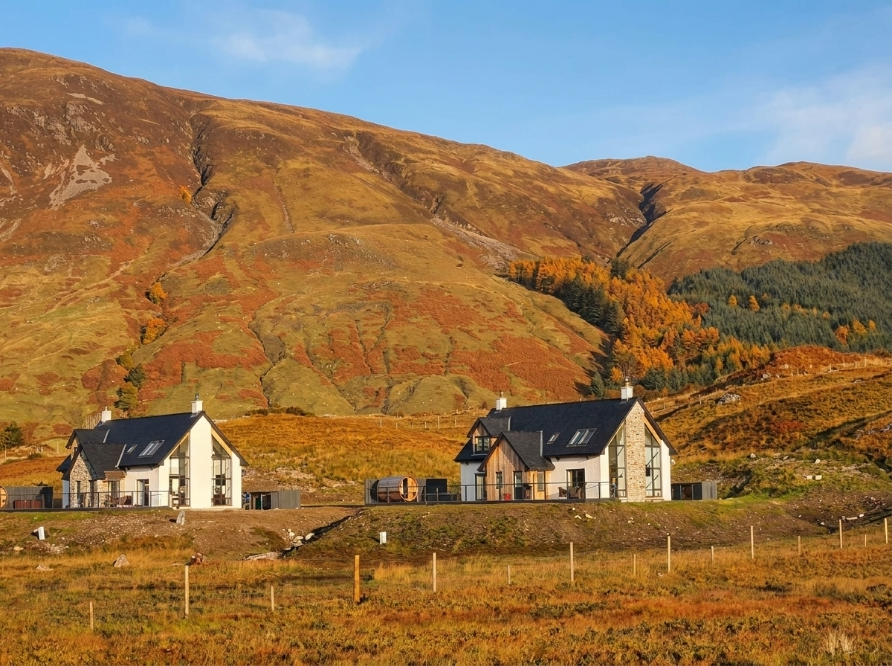
Autumn in the Scottish Highlands brings a quiet transformation. As the heavy summer crowds recede, the landscape shifts into a rich palette of copper, russet, and gold. The air turns crisp, the light softens into a low, golden amber that lingers across the mountains, and the ancient glens settle into a deep, reflective stillness. For travellers drawn to dramatic scenery, slow travel, and the raw elements of nature, this season offers an unmatched experience of the Scottish West Coast.
Finding the right location to anchor your journey is essential for balancing remote exploration with comfortable daily logistics, making Kintail an ideal setting for an autumn escape.
Why Autumn is the Best Time to Visit the Scottish West Coast
Many visitors focus their travel plans on the peak summer months, missing the unique character that autumn brings to the north of Scotland. The transition from September to November introduces weather patterns and atmospheric conditions that photographers and outdoor enthusiasts prize.
Dramatic Weather and Dynamic Skies
Autumn weather on the west coast is famously changeable, shifting rapidly from clear blue skies and sharp morning frosts to moody, atmospheric cloud formations wrapping around mountain peaks. These changing conditions create exceptional opportunities for landscape photography. Rain showers clear quickly, often leaving behind double rainbows and dramatic light across sea lochs and rugged ridges.
Quieter Trails and Unhurried Exploration
Major landmarks and famous walking routes that hum with activity in July and August return to their natural tranquility. Walking trails through glens and along coastal paths often belong entirely to the walker. Solitude becomes a defining feature of the journey, allowing for a deeper connection with the natural environment.

Wildlife and Natural Transitions
The autumn months mark key seasonal shifts in the Highlands. Red deer stags can be heard roaring across the open moorlands during the annual rut, a quintessential Highland sound echoing through the glens. Migratory birds arrive along the coast, and the native woodlands display a striking contrast of dying bracken and evergreen pines against dark rock faces.
Understanding the Kintail and West Coast Geography
Positioned on the road to the Isle of Skye and nestled among some of Scotland’s most dramatic mountain ranges, Kintail serves as a natural crossroads for exploring the Northwest Highlands. Understanding the local geography helps travellers plan meaningful itineraries that minimize driving time and maximize time spent outdoors.
The Five Sisters of Kintail
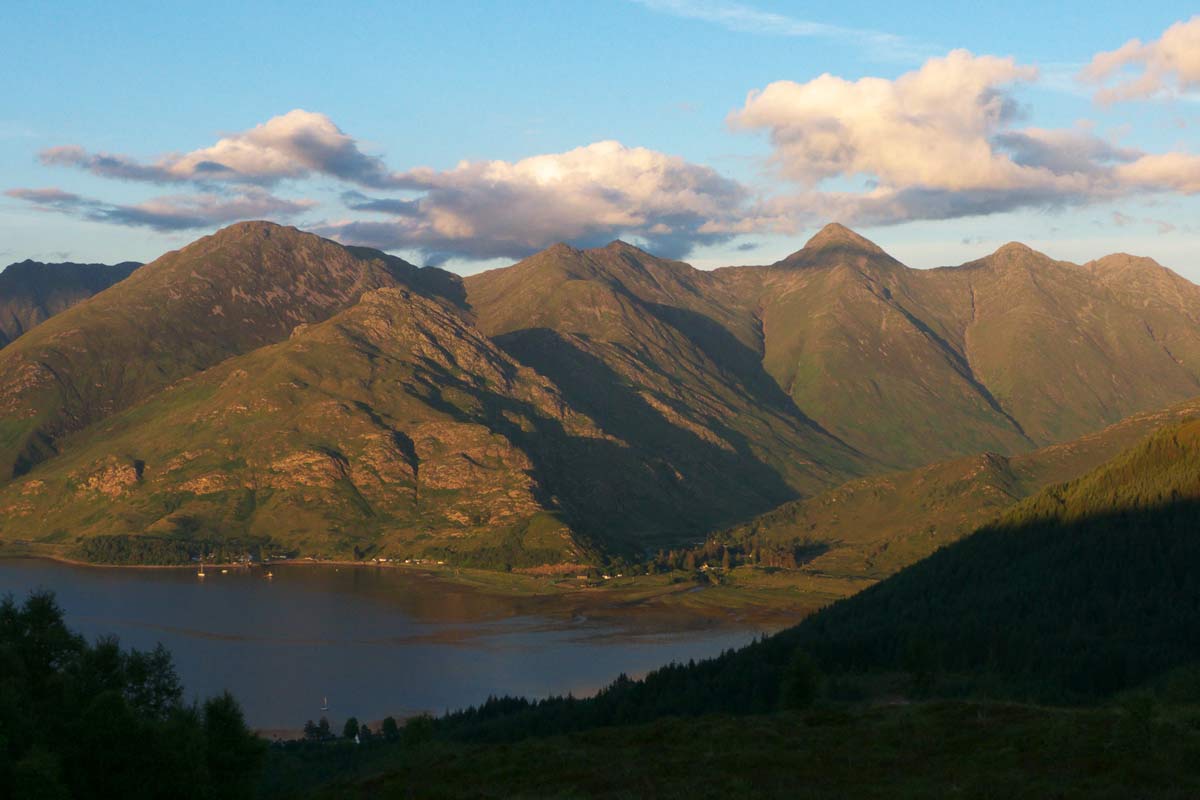
Rising steeply above Loch Duich, the Five Sisters of Kintail form one of Scotland’s most iconic mountain silhouettes. In autumn, the lower slopes turn a deep amber as bracken dies back, contrasting sharply with the dark, jagged sandstone peaks. Walking routes around Glenshiel offer access to these heights for experienced hikers, while lower-level tracks provide sweeping views without demanding technical ascents.
Loch Duich and Sea Loch Transitions
Kintail sits at the meeting point of freshwater rivers and tidal sea lochs like Loch Duich and Loch Long. These waters act as giant mirrors on calm autumn mornings, reflecting the surrounding hillsides in absolute stillness before the sea breezes rise. The tidal movements bring rich marine life into the shallow bays, attracting herons, otters, and seals.
Essential Planning for Autumn Travel in the Highlands
Preparing for an autumn trip to the West Coast requires practical consideration of shorter daylight hours, changing weather, and rural logistics.
Navigating Shorter Daylight Hours
By October, daylight diminishes noticeably, with sunrise occurring around half-past seven in the morning and sunset dropping below the horizon by five in the evening. While this shortens outdoor windows, it rewards early risers with extended golden hours.
Sunrise light striking the peaks of the Five Sisters or casting long shadows across Loch Duich lasts for hours rather than minutes, providing extraordinary conditions for visual storytelling.
Packing for Variable Conditions
The key to enjoying the Scottish autumn is layered clothing. Temperatures can drop close to freezing overnight, while daytime temperatures often hover around single digits to low teens Celsius. Essential items include:
-
Waterproof and windproof outer shells of high quality
-
Moisture-wicking base layers and insulating mid-layers like fleece or wool
-
Sturdy, broken-in walking boots with reliable grip for wet rock and mud
-
A sturdy daypack with waterproof covers for camera gear and extra layers
Understanding Rural Infrastructure
West Highland roads are predominantly single-track routes with passing places. Autumn brings fewer vehicles, making driving less pressured, but drivers must remain vigilant for livestock and wildlife on the tarmac. Local amenities in remote areas may operate on reduced autumn and winter hours, making it wise to check opening times for local shops and eateries in advance.
Curating an Autumn Itinerary from a Kintail Base
Stationing yourself in Kintail provides immediate access to some of the most compelling landscapes in the Highlands, allowing for diverse day trips across Wester Ross, Lochalsh, and the Isle of Skye.
Exploring Glen Shiel and the Ratagan Pass
Begin locally by driving or walking through Glen Shiel, site of the 1719 Jacobite battle. The scale of the surrounding Munros is humbling from the roadside. Nearby, the Ratagan Pass offers a sweeping viewpoint looking down over Loch Duich and toward the distant peaks of Knoydart, particularly striking when afternoon light catches the western slopes.
Day Trips to the Isle of Skye
With the Skye Bridge located a short drive west past Kyle of Lochalsh, crossing onto the island for day trips is straightforward. Autumn brings dramatic cloudscapes to the Cuillin range and the Trotternish Peninsula, offering iconic views without the heavy tourist traffic of summer.
Discovering Wester Ross and Torridon
Heading north toward Torridon reveals some of the oldest rock formations in Europe. The sandstone giants of Liathach and Beinn Eighe rise sheer from sea-level lochs, presenting a landscape of raw geological power that feels entirely untamed during the autumnal months.
A Quiet Base for Highland Exploration
When spending days immersed in the rugged elements of the Scottish West Coast, having a warm, private, and well-positioned place to return to at dusk is invaluable. Innis-a-Chro Luxury Cottages sits quietly within this landscape, offering a comfortable retreat designed for travellers who value privacy, traditional stone architecture, and proximity to the natural world. Set against the dramatic backdrop of Kintail, it provides a practical and peaceful environment to rest, review photographs, and plan the next day’s journey into the hills.
Conclusion
Autumn on the west coast of Scotland is a season of atmosphere, solitude, and striking visual transformation. By focusing on slow travel, respecting the changing weather, and basing yourself in a geographically central location like Kintail, you can experience the Highlands at their most authentic.
Whether you are tracking the changing light across Loch Duich, listening to the roar of stags in Glen Shiel, or simply watching the mist rise from the sea lochs, an autumn journey here offers a rare and lasting sense of place.
To learn more about the area and accommodation options, please visit Innis-a-Chro Luxury Cottages.