
Introduction: Why Kintail Remains One of the Most Captivating Corners of the Highlands

The Scottish Highlands evoke powerful imagery: mist clinging to steep mountain ridges, deep freshwater lochs reflecting shifting skies, and glens that feel entirely removed from the modern pace of life. Yet, among the many regions that draw travellers north, Kintail holds a distinct and compelling character. Located in the northwest Highlands, this landscape is defined by dramatic geography, rich clan history, and an atmosphere of profound quiet.
For travellers planning a journey into the rugged scenery of Wester Ross and Lochalsh, Kintail offers an authentic encounter with Scotland’s raw topography. Whether you are drawn by the challenge of iconic mountain ridges, the stillness of sea lochs, or the desire for a slower travel experience, understanding the landscape is essential for a rewarding visit. This guide explores what makes Kintail a cornerstone of Highland exploration, offering practical insights for nature enthusiasts, photographers, and those seeking a restorative escape.

Understanding the Kintail Landscape and Geography

To appreciate Kintail fully, it helps to understand its unique position within the West Highlands. Centred around Glen Shiel and Loch Duich, the area serves as a natural corridor connecting the Great Glen and Skye to the dramatic coastline of the northwest.
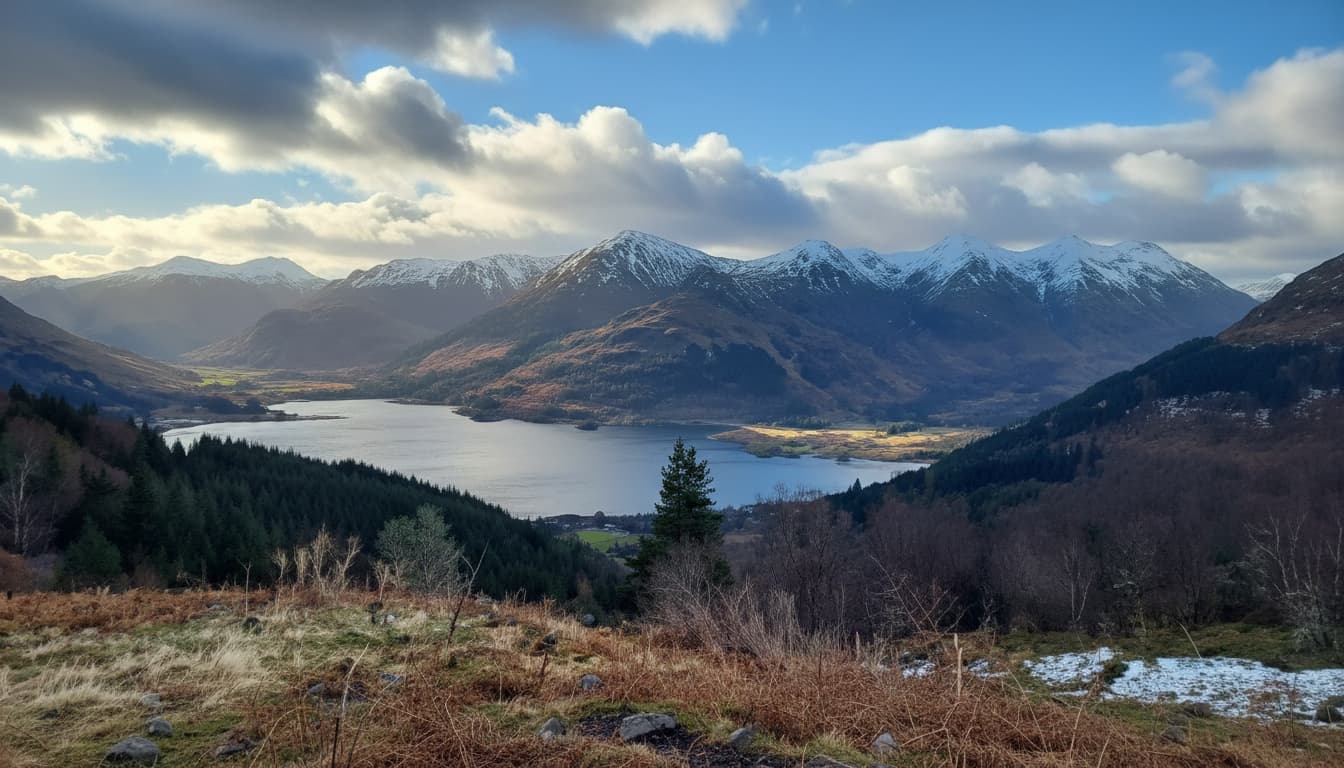
Five Sisters of Kintail

The Five Sisters of Kintail

Dominating the skyline of Glen Shiel are the Five Sisters of Kintail—a dramatic ridge comprising steep peaks including Sgurr na Ciste Duiche and Sgurr Mor. These mountains are among the most recognisable in Scotland, featuring sharp quartzite scree, sweeping corries, and panoramic views stretching across to the Isle of Skye and the Outer Hebrides. Hillwalkers and photographers are drawn to their formidable profiles, which shift in appearance with every change in weather and light.

Loch Duich and Coastal Inlets

Flowing from the mountains down to the sea, Loch Duich meets Loch Alsh and Loch Long, creating a dynamic coastal environment where saltwater tides mingle with freshwater burns. The sea lochs introduce a sense of maritime calm, framed by wooded shores and tidal mudflats that attract wading birds and marine wildlife, including otters and seals.

Planning Your Journey: Seasons and Practical Logistics

Experiencing the Highlands successfully requires thoughtful preparation. The weather in Kintail, as across Wester Ross, is notoriously changeable, often showcasing four seasons in a single day.

Best Time to Visit

  • Spring (April to May): Often brings stable, dry weather, fewer midges, and longer daylight hours as wildflowers begin to bloom across the glens.
  • Summer (June to August): Offers maximum daylight and lush green landscapes, though popular routes can be busier and biting midges are common on calm, humid days.
  • Autumn (September to November): Delivers striking amber and russet foliage, dramatic cloud inversions, and crisp air, making it a favourite season for landscape photographers.
  • Winter (December to March): Brings deep snow to the high tops, short daylight hours, and profound solitude, suited best for experienced winter mountaineers and those seeking total quiet.

Essential Travel Logistics

Reaching Kintail typically involves driving via Inverness along the A87, a scenic route that passes through Glen Moriston and past Loch Cluanie. Having a reliable vehicle is essential for exploring the scattered settlements and remote trailheads of the area. Visitors should familiarise themselves with single-track roads and passing places, allowing ample time for journeys where the scenery commands frequent stops.

Photography and Natural Light in Wester Ross

For visual storytellers and landscape photographers, Kintail offers exceptional opportunities. The interplay between high relief and coastal water creates unique atmospheric conditions.

Capturing the Light

The latitude of the Scottish Highlands means that during summer, twilight lingers for hours, casting a golden hue over the mountains late into the evening. In autumn and winter, the low sun angle creates long shadows and dramatic side-lighting across the peaks of Glen Shiel.

Key Photographic Subjects

  • Eilean Donan Castle: Situated where three sea lochs meet near Dornie, this iconic fortress offers striking compositions at high tide when reflections mirror its stone walls against the backdrop of Loch Alsh.
  • The Falls of Glomach: One of Britain’s highest waterfalls, tucked away in a remote gorge above Glen Elg, rewarding hikers with dramatic scale and movement.
  • The Cluanie Ridge: Expansive vistas across high-altitude bogland and sweeping ridges under vast Highland skies.
Innis a Chro - Luxury Cottages in Scotland

Innis a Chro – Luxury Cottages in Scotland

Slow Travel and Immersion in Nature

A growing number of travellers are shifting away from fast-paced sightseeing in favour of slow travel—an approach that prioritises depth, connection, and lower environmental impact. Kintail is ideally suited to this philosophy.
Rather than treating the region as a stopover en route to Skye, slowing down allows visitors to notice the smaller details: the scent of bog myrtle after rain, the calls of red deer stags echoing across the glen during the autumn rut, or the subtle variations in lichen growth on ancient Atlantic oakwoods.

Connecting with the Local Environment

  • Mindful Walking: Exploring low-level trails along the shores of Loch Duich or through the ancient woodlands of Attadale provides a grounded connection to the terrain without requiring strenuous mountaineering.
  • Wildlife Watching: Patient observation near the shoreline or riverbanks frequently rewards quiet visitors with sightings of golden eagles soaring above the ridges or pine martens moving through native forest remnants.

Finding a Base for Exploration

When exploring a region as geographically diverse as Kintail, having a comfortable, well-positioned place to rest is invaluable. While hotels and guesthouses are available, many travellers prefer self-catering accommodation that allows for independence and a genuine sense of living within the landscape.
For those looking to base themselves amidst this scenery, staying locally in properties designed to blend comfort with the surrounding environment offers a tranquil retreat after a day on the hills or roads. A considered base allows you to cook with local produce, dry outdoor gear, and watch the changing weather over the sea loch from a warm, quiet room.
To discover more about the area and find an ideal base for your Highland journey, visit Luxury Cottages Scotland.
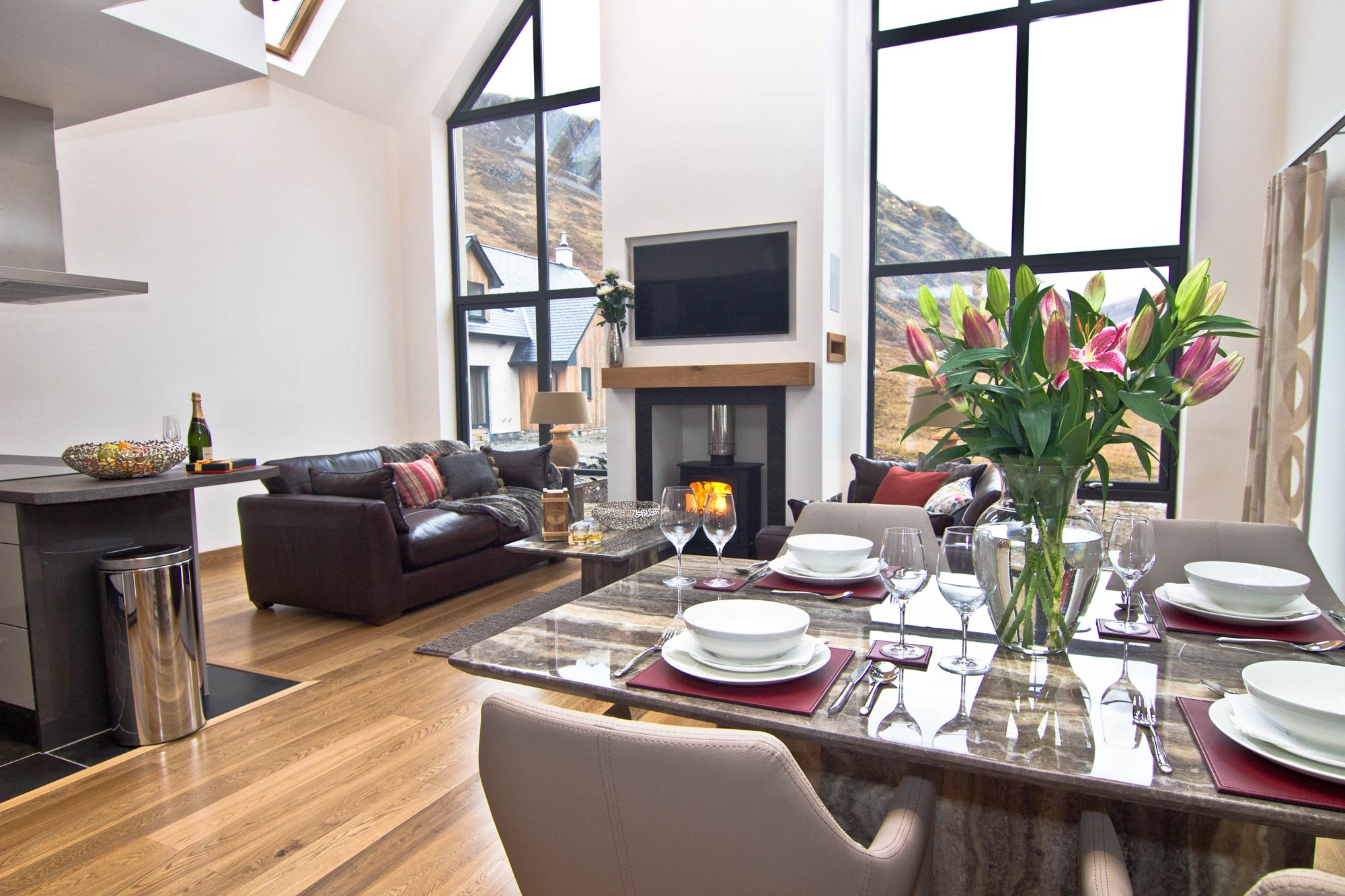
Luxury cottage in Scotland

Conclusion

Kintail remains a place that rewards curiosity, patience, and respect for the natural world. By looking beyond the surface and taking the time to understand its weather, geography, and quiet rhythms, travellers can experience the Scottish Highlands at their most authentic. Whether you come to walk the high ridges, photograph the shifting light over Loch Duich, or simply find stillness in a remote glen, Kintail offers an enduring connection to one of Britain’s most magnificent landscapes.

Wester Ross remains one of the last truly wild frontiers in the British Isles. Stretching along the north-west coast of Scotland, this vast region is defined by ancient sandstone mountains, sea lochs carved by glaciers, and sparse communities connected by winding single-track roads. For travellers seeking solitude, dramatic landscapes, and an escape from the frantic pace of modern life, Wester Ross offers an unmatched setting for slow exploration.

Planning a journey to this remote corner requires an understanding of its geography, weather patterns, and the rhythm of rural Highland life. This guide explores what makes Wester Ross a compelling destination, how to navigate its terrain, and why basing yourself in a central location like Kintail allows for deep, unhurried discovery.

Why Wester Ross Captures the Imagination

The landscape of Wester Ross is geologically distinct from much of Britain. The region is dominated by Torridonian sandstone peaks—such as Beinn Eighe, Liathach, and the iconic Stac Pollaidh—which rise abruptly from low-lying moorland. These mountains are among the oldest in Europe, weathered by millennia of wind, rain, and ice into terraced profiles and sheer quartzite scree slopes.


Unlike the softer, rolling hills found further south, Wester Ross presents a raw, elemental environment. Sea lochs like Loch Torridon and Loch Carron bite deep into the mainland, creating shifting coastal light that photographers and artists travel thousands of miles to witness. The Gulf Stream touches this coast, supporting unexpected pockets of temperate rainforest—such as the ancient woodlands at Beinn Eighe National Nature Reserve—alongside rugged coastal cliffs and expansive sand beaches like Camusdarach or Sandwood further north.

Wester Ross is also recognised as part of the Wester Ross Biosphere, a UNESCO-designated area that celebrates the region’s unique blend of natural heritage and sustainable community living.


Best Time to Visit the Scottish Highlands

Choosing when to visit depends heavily on your priorities as a traveller, whether that is photography, hiking, or simply experiencing the profound quiet of the landscape.

Spring (April to May)

Spring is widely considered one of the best windows for outdoor enthusiasts. During these months, rainfall is historically lower than in late summer or autumn, daylight hours increase rapidly, and the notoriously persistent Highland midges have not yet emerged. The hillsides are crisp, and clear morning light often illuminates the remaining snow caps on the highest peaks.

Summer (June to August)

Summer brings maximum daylight, with twilight lingering past midnight in the far north. Wildflowers bloom across the moorlands, and all local amenities, ferries, and visitor centres are fully operational. However, this is also peak tourism season, meaning narrow roads see higher traffic volumes, and accommodation books many months in advance. Visitors must also prepare for the midge season, which peaks during damp, still summer days.

Autumn (September to October)

For photographers and nature lovers, autumn is transformative. The bracken turns a rich amber and copper, the birch woods glow gold, and the first dustings of snow appear on mountain summits. The atmosphere shifts back to a quieter, more contemplative pace as visitor numbers decline. Shorter days mean lower sun angles, offering extended “golden hours” for landscape photography.

Winter (November to March)

Winter in Wester Ross is formidable and deeply atmospheric. Short daylight hours and frequent storms demand respect and preparation. Snow and ice can make driving challenging on single-track roads, and many local businesses close for the season. Yet, for those equipped for winter mountaineering or seeking complete isolation beneath dark skies, the winter months offer an authentic, untamed experience.


Travelling through Wester Ross requires a shift in mindset. Distances on a map can be deceiving; narrow roads, sheep wandering onto tarmac, and the necessity of pulling over into passing places mean average driving speeds are much lower than on standard highways.

  • Driving Etiquette: Master the passing place system. Always pull over to your left to let vehicles pass, or wait opposite a passing place on your right. Never park in passing places, as this creates bottlenecks for local traffic and emergency services.

  • Weather Preparedness: Highland weather is notoriously volatile. It is entirely possible to experience four seasons in a single day. Layering technical clothing, carrying waterproof outerwear, and having reliable footwear are non-negotiable requirements, even for short walks.

  • Leave No Trace: Wester Ross is a fragile ecosystem. Take all litter home, respect livestock, and use designated facilities. Wild camping is welcomed under the Scottish Outdoor Access Code, provided it is done responsibly and away from enclosed properties.


Key Highlights and Areas to Explore

Wester Ross spans a large geographic area, but certain regions offer exceptional concentrations of natural beauty and outdoor access.

Torridon and Glen Torridon

Framed by some of Scotland’s most dramatic peaks, Torridon is a mecca for hillwalkers and geologists. Walking beneath the massive northern corries of Liathach or exploring the shores of Loch Torridon reveals a landscape on a grand, humbling scale.

The Applecross Peninsula

Reached via the Bealach na Bà—one of Britain’s highest road passes featuring hairpin turns reminiscent of Alpine routes—Applecross offers panoramic views stretching across the Inner Hebrides to Skye and Raasay. The peninsula is a haven for coastal wildlife, including otters, seals, and sea eagles.

Kintail and Loch Duich

Positioned at the gateway between Wester Ross and the Isle of Skye, the Kintail region is dominated by the Five Sisters of Kintail ridge. This area combines dramatic mountain topography with rich history, including the iconic Eilean Donan Castle standing sentinel where three sea lochs meet.

Staying centrally in a location like Kintail provides a strategic base. It allows travellers to venture north into Torridon and Wester Ross by day, while remaining close to the Skye bridge and southern Lochalsh routes, minimising time spent driving long distances between destinations.


Planning Your Highland Journey

A successful trip to the Scottish Highlands is built on flexibility and patience. Allow extra time in your itinerary to simply pull over, watch the light shift across a sea loch, or wait out a passing rain shower. By moving slowly and observing the natural rhythms of the land, visitors begin to understand why this remote frontier holds such a lasting grip on those who journey here.

For those planning an immersive escape to this dramatic region, choosing a quiet, well-positioned base allows you to experience the Highlands on your own terms. Learn more about the area and accommodation options by visiting Innis-a-Chro Luxury Cottages.