Nestled on a sheltered inlet of Loch Carron, the village of Plockton stands as one of the most distinctive destinations in the Northwest Highlands.
Often referred to as the Jewel of the Highlands, it offers a rare microclimate, unique architecture, and a slower pace of life that draws visitors from across the globe. For those exploring the Kintail region and the road to Skye, Plockton represents a vital stop for understanding the intersection of Highland culture and coastal geography.
Why Plockton is a Must-Visit Highland Village
Plockton is more than just a picturesque backdrop. It is a planned village, established in the late 18th and early 19th centuries to support the local fishing industry following the Highland Clearances.
Today, its importance lies in its preservation and its unlikely atmosphere. Unlike the rugged, windswept peaks of the nearby Five Sisters of Kintail, Plockton feels remarkably temperate.
The village faces east, away from the prevailing Atlantic winds, and benefits from the North Atlantic Drift.
This creates a mild environment where New Zealand cabbage palms (Cordyline australis) thrive along the seafront, contrasting sharply with the snowy peaks often visible in the distance. For travellers seeking a blend of botanical surprise and traditional stone-built charm, it provides a compelling narrative of Highland resilience and adaptation.
Exploring the Unique Geography of Loch Carron
The geography of Plockton is defined by its relationship with the water. The village is built around a natural harbour, shielded by a series of small islands and craggy outcrops. This layout makes it a premier location for maritime activities and wildlife observation.
The Impact of the Gulf Stream
The influence of the North Atlantic Drift cannot be overstated. While the Scottish Highlands are known for dramatic weather shifts, Plockton often remains several degrees warmer than the inland glens.
This allows for a variety of plant life not typically seen at this latitude. When walking along Harbour Street, the presence of these palms against a backdrop of traditional white-washed cottages creates a visual experience that is unique to this corner of Ross-shire.
Wildlife and Biodiversity
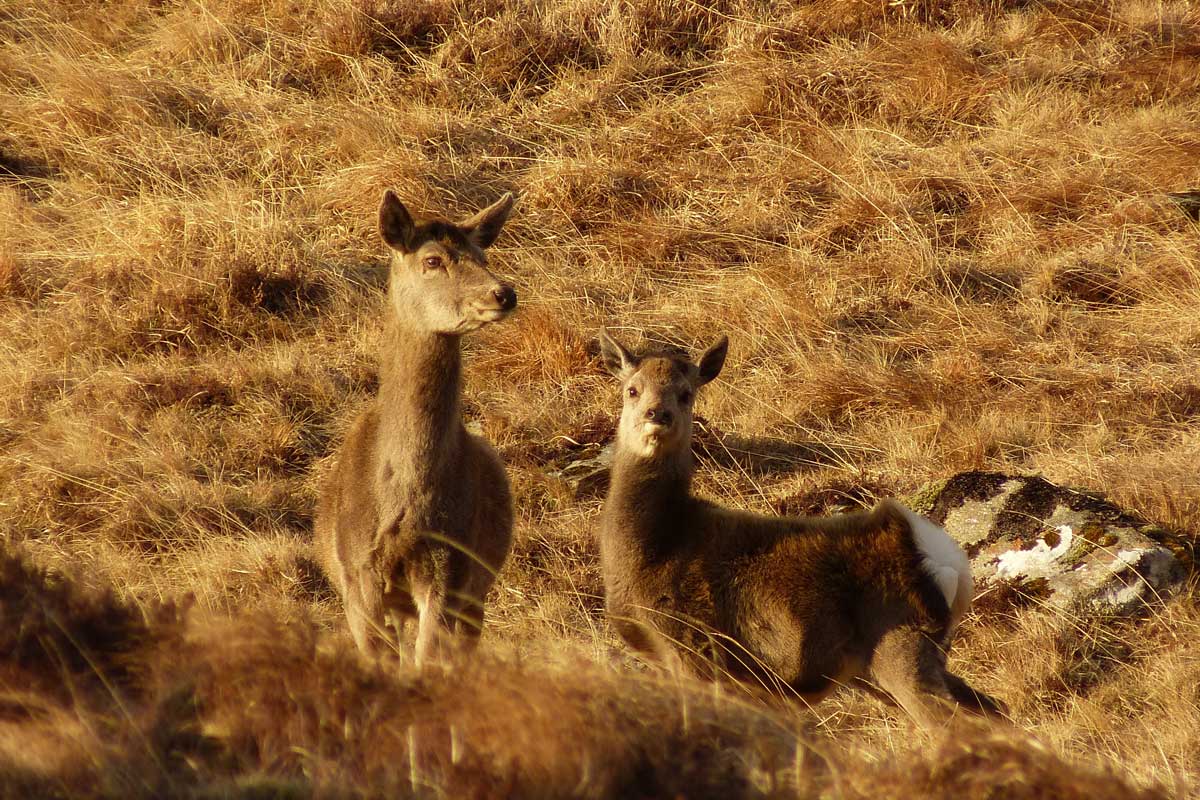
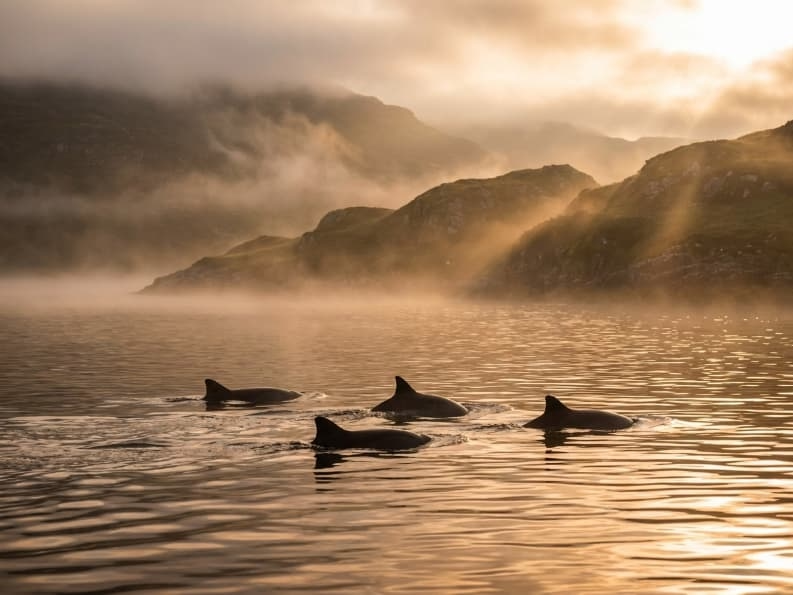
Loch Carron is a rich marine environment. The waters around the village are home to a resident colony of common seals, which can often be spotted basking on the skerries at low tide. Otters are also frequent visitors to the quieter shorelines.
For birdwatchers, the mix of woodland and marine habitats attracts everything from herons and oystercatchers to white-tailed sea eagles, which occasionally hunt in the thermal currents above the surrounding hills.
Essential Experiences for Photographers and Outdoor Enthusiasts
For those with a keen eye for light and landscape, Plockton offers endless opportunities. The village is famously the setting for various film and television productions, chosen specifically for its aesthetic consistency and the quality of the light reflecting off the loch.
Capturing the Highland Light
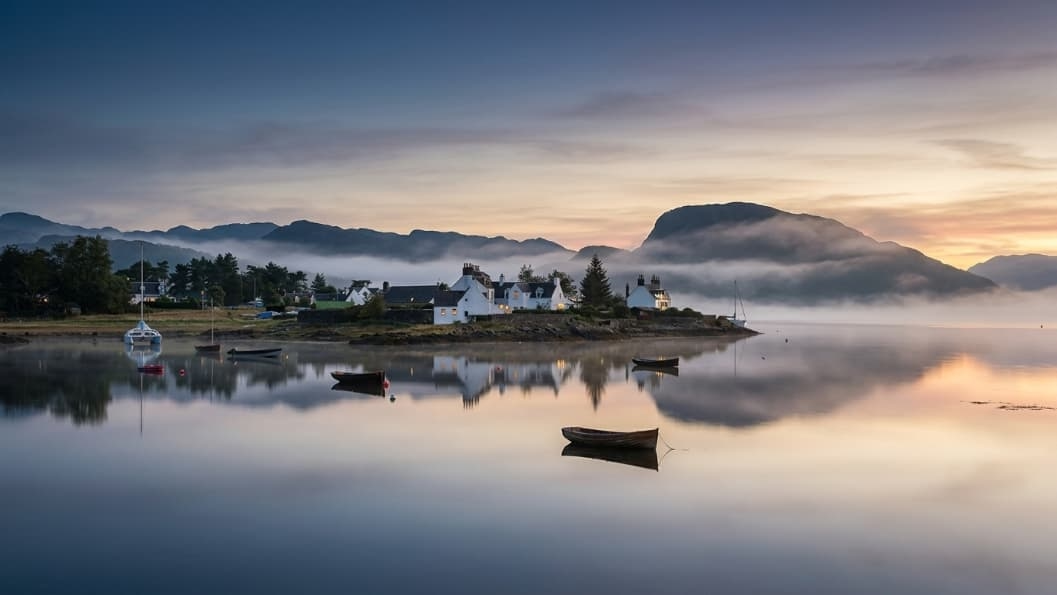
Photographers often find that the best compositions are found at dawn or dusk when the water in the bay is at its most still. The reflection of the cottages in the harbour, combined with the silhouettes of the fishing boats, provides a classic Highland scene.
To the west, the crags of the Applecross peninsula and the Isle of Skye provide a dramatic horizon that changes colour throughout the seasons.
Walking and Hiking Near Plockton
While the village itself is perfect for a gentle stroll, the surrounding area offers more rigorous exploration:
-
The Plock of Plockton: A community-owned headland offering a network of paths through Atlantic oakwoods and heather moorland. It provides the best panoramic views over the village and across to the Crowlin Islands.
-
Duncraig Castle: A short coastal walk leads towards this Victorian mansion, passing through managed woodlands and offering views of the Dingwall to Kyle of Lochalsh railway line, often cited as one of the most beautiful train journeys in the world.
-
Coral Beach: Accessible via a brief drive and a short walk, this beach is composed of crushed calcified seaweed (maerl), giving the water a tropical turquoise hue on sunny days.
Understanding the Local Culture and Heritage
Plockton has managed to maintain its identity as a living village rather than becoming a mere museum piece. The community remains active in traditional sectors, including small-scale crofting and creel fishing for prawns (langoustines) and crabs.
The Legacy of the Fishing Industry
The village was once a bustling port for herring fishing. While the scale has changed, the harbour remains the heart of the community. Visiting the pier allows guests to see the daily catch being brought in, much of which is served in the local inns and restaurants within hours of leaving the water.
This direct connection between the landscape and the table is a hallmark of the slow-travel movement in Scotland.
Arts and Crafts
The village has long been a haven for artists. Several small galleries line the main street, showcasing work inspired by the local landscape.
The textures of the Torridonian sandstone and the shifting blues of the Minch are recurring themes in the pottery, paintings, and textiles produced here.
Plockton has long served as a creative sanctuary for artists and makers, who are drawn to the village to capture its unique light and coastal textures through a variety of local galleries and craft studios. Explore Plockton’s galleries here.
Practical Information for Planning Your Visit
A successful trip to the Highlands requires an understanding of the logistics involved in navigating rural terrain.
The Best Time to Visit
Plockton is a year-round destination, though the experience varies by season:
-
Spring: Characterised by the blooming of gorse and the arrival of migratory birds. The air is often crisp and the visibility across the loch is at its peak.
-
Summer: The village is at its most vibrant, with boats in the water and longer daylight hours for exploration.
-
Autumn: The surrounding deciduous woods turn vibrant shades of orange and gold, and the low sun creates long, dramatic shadows across the hills.
-
Winter: A time of quiet reflection. While some local amenities may have reduced hours, the village remains peaceful, and the snow-capped peaks of Kintail provide a stunning backdrop.
Transport and Accessibility
Plockton is accessible by road via the A87, the main artery leading to the Isle of Skye.
It is also a stop on the Kyle Line railway. For those using the village as a base for wider Highland exploration, it is ideally situated within an hour’s drive of Eilean Donan Castle, the Torridon mountains, and the Skye Bridge.
Sustainable and Relaxing Travel in Kintail
The appeal of Plockton lies in its invitation to slow down. Rather than rushing through a checklist of Highland landmarks, visitors are encouraged to spend time observing the tides, talking to local residents, and exploring the lesser-known paths.
This approach not only enriches the travel experience but also supports the local economy in a sustainable way.
Choosing to stay in the wider Kintail and Lochalsh area allows for a deeper connection with the land.
By basing oneself in a local cottage, travellers can experience the rhythm of the Highlands—the changing weather, the movement of livestock, and the true silence of the glens at night.
Finding Your Base in the Northwest Highlands
While Plockton is a highlight of any trip, the surrounding region of Kintail offers a more rugged and secluded alternative for those seeking privacy and immersion in nature. Kintail acts as the gateway to the Isle of Skye and the North Coast 500, making it a strategic and beautiful location for a Highland retreat.
Staying in a high-quality, self-catering cottage provides the flexibility to explore at your own pace.
Whether you are returning from a day of Munro bagging in the mountains or a quiet afternoon of photography in Plockton, having a comfortable, well-equipped space to retreat to is essential. It allows for the authentic experience of Highland living, where you can prepare local produce and enjoy the landscape from your own doorstep.
Conclusion: The Lasting Appeal of the Highland Coast
The village of Plockton remains a symbol of the diverse beauty of the Scottish Highlands.
From its improbable palm trees and sheltered harbour to its rich history and vibrant arts scene, it offers a multi-layered experience for the curious traveller.
By integrating a visit to Plockton with an exploration of the wilder reaches of Kintail, visitors can gain a comprehensive understanding of what makes this region so enduringly special.
The Highlands are not a place to be rushed. They are a landscape to be felt, photographed, and remembered.
Whether you are drawn by the call of the mountains or the calm of the coast, the journey through Ross-shire is one that rewards patience and a keen eye for detail.
To discover more about the hidden gems of the Highlands and to find the perfect base for your next adventure, explore the possibilities for your stay in the region.
For a deeper dive into the specific trails and landmarks of this region, you can consult our short Kintail Guide here for curated local recommendations and services in the nearby Kintail area.
Explore more about the area and find your ideal Highland retreat at https://www.luxury-cottages-scotland.co.uk