
The Scottish Highlands in Autumn: A Guide to the Season of Light
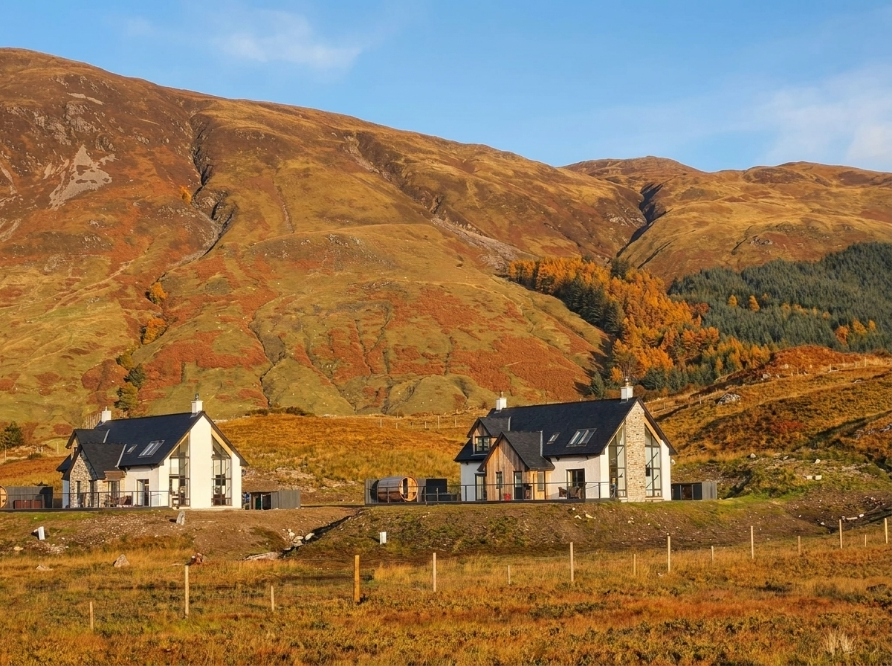
There is a distinct moment when the Scottish Highlands transition from the endless, energetic days of summer into the more reflective pace of autumn. It is not marked by a single date, but by a shift in the atmosphere. The air takes on a crisp, sharp edge, the scent of damp earth and pine becomes more pronounced, and the vast, steep-sided glens begin their slow transformation into a tapestry of copper, rust, and gold.
For those in the research and planning phase of a journey north, deciding when to travel is often the most critical decision.
While summer brings long daylight hours and peak accessibility, visiting the Scottish Highlands in autumn offers a profoundly different experience. It is a season that rewards the slow traveller, the photographer, and anyone seeking the raw, quiet authenticity of the landscape without the distraction of peak-season crowds.
Why Autumn is the Best Time to Visit the Scottish Highlands
If you are wondering why seasoned travellers and locals alike consider this the best time to visit the Highlands, the answer lies in the unique convergence of conditions. Autumn in Scotland provides a striking visual landscape as the flora changes colour, a dramatic shift in wildlife behaviour, and the complete disappearance of the biting midge. Furthermore, the lower angle of the sun creates exceptional, long-lasting light for photography, while the cooler, fresher air makes for ideal hiking and exploring conditions.
The Landscape Transformed: Colours of the Glens
The sheer scale of the Highland landscape means that seasonal changes happen on a monumental level. As September progresses into October, the uniform greens of summer are replaced by a complex palette of colours, driven by the native flora.
Bracken, Heather, and Ancient Woodlands
The bracken that covers the lower slopes of the mountains turns from a vibrant green to a rich, luminous copper. Above the bracken, the heather, which peaks in purple late in the summer, fades to deep, earthy browns and muted reds. In the valleys, pockets of ancient Caledonian pine forest and deciduous woodlands provide a striking contrast. The silver birch trees turn a brilliant, shimmering yellow, standing out starkly against the dark, evergreen needles of the Scots pines.
Driving or walking through areas like Glen Shiel during this time feels like moving through a living painting. The steep sides of the glens compress these colours, creating a visually overwhelming environment that changes by the hour depending on the cloud cover and shifting weather fronts.
Wildlife in Transition: The Red Deer Rut
Autumn is a crucial time for Highland wildlife, marked most famously by the annual red deer rut. From late September through October, the stags return to the lower glens from the high corries to compete for mating rights.
The sound of the rut is one of the most atmospheric experiences in the natural world. On a still autumn morning, the deep, guttural roars of the stags echo across the lochs and bounce off the mountainsides. For wildlife enthusiasts, this is a prime opportunity for observation. When watching or photographing red deer, it is vital to remain quiet, keep a significant distance, and avoid disturbing the animals during this highly sensitive and exhausting period of their lifecycle.
Beyond the deer, autumn also brings the spectacle of Atlantic salmon leaping up river waterfalls to their spawning grounds, and the arrival of winter migratory birds such as whooper swans and various species of geese arriving from the Arctic.
Atmospheric Conditions for Photographers
For those interested in autumn photography, Scotland offers conditions that are difficult to match anywhere else in the world. The geography of the north west coast, combined with the autumnal weather systems rolling in off the Atlantic, creates a dynamic environment where the light is constantly shifting.
The Golden Hour and Autumn Light
In the height of summer, the midday sun in Scotland can be harsh and flat, forcing photographers to wake incredibly early or stay out late for the best light. In autumn, the sun stays much lower in the sky throughout the entire day. This lower trajectory means that the light is softer, the shadows are longer, and the landscape is consistently modelled by directional light. The coveted golden hour stretches out, often merging seamlessly into the blue hour of twilight.
Mist, Rain, and Dramatic Skies
Clear blue skies are pleasant, but true Highland photography thrives on weather. Autumn mornings frequently bring temperature inversions and low-lying mist clinging to the surface of the lochs. Watching the mist slowly clear to reveal the peaks of the Five Sisters of Kintail is a profound experience.
Even the rain plays a vital role. Heavy showers followed by sudden breaks in the cloud cover create dramatic, spotlight effects on the mountains, and autumn is the best season to capture rainbows arching over the sea lochs. Famous landmarks benefit greatly from this atmosphere; Eilean Donan Castle in autumn, surrounded by morning fog and backed by hills of rust and gold, is far more evocative than in the stark light of a summer afternoon.
Practical Reasons to Choose an Autumn Visit
Beyond the aesthetics, there are highly practical reasons to plan your trip for the later months of the year.
The Disappearance of the Midge
The Highland midge is a small but formidable part of the Scottish ecosystem. During the warm, damp, and still days of July and August, they can be highly disruptive to outdoor activities. However, as the temperature drops in September and the first autumn frosts arrive, the midges disappear entirely. This single factor transforms the experience of hiking, fishing, or simply standing outside to admire the view.
Quieter Roads and Trails
A Highland road trip is a classic bucket-list experience, but the infrastructure of the north west coast relies heavily on single-track roads with passing places. In peak summer, these roads require intense concentration and frequent stops due to the sheer volume of traffic. By late October, the flow of vehicles drops significantly. Navigating the mountain passes, such as the Mam Ratagan pass or the road to Glenelg, becomes a relaxed, enjoyable experience rather than a logistical challenge. Parking at popular trailheads is also far more accessible, allowing for spontaneous stops and a more fluid, relaxed itinerary.
Exploring Kintail and the North West in Autumn
Positioning yourself in the right location is key to experiencing the best of the season. The area of Kintail, where the mountains meet the sea lochs, is arguably one of the most dramatic regions in the country and serves as a perfect gateway to both the Isle of Skye and the wider north west highlands.
Hiking the Five Sisters of Kintail
For experienced hill walkers, the Five Sisters of Kintail offer one of the most rewarding ridge walks in the country. In autumn, the cooler temperatures make the steep, prolonged ascents far more manageable than in the humid heat of summer. The clarity of the air on a crisp autumn day can yield views that stretch all the way to the Outer Hebrides. However, daylight hours are shorter, so early starts are essential, and walkers must be prepared for rapid weather changes at altitude.
Slower Paced Explorations
Not all exploration requires scaling a Munro. Slow travel in Scotland is about immersing yourself in the environment at your own pace. The lower-level walks around Loch Duich, the ancient brochs of Glenelg, and the sheltered, picturesque village of Plockton offer sheltered alternatives when the wind is blowing hard on the summits. Exploring these historic and cultural sites without the summer crowds allows you to absorb the deep sense of history that permeates the landscape.
Preparing for the Scottish Highlands Weather in Autumn
To truly enjoy this season, one must embrace the weather rather than fight it. The conditions will dictate your daily plans, which is a fundamental part of the Highland experience.
You can expect a mixture of calm, crisp, sunny days and periods of intense wind and driving rain, often occurring within hours of each other. The key to comfort is preparation and layering.
When packing, leave heavy cotton behind. Opt instead for merino wool base layers, insulating mid-layers like fleece or down, and, most crucially, a high-quality, breathable waterproof jacket and waterproof trousers. Sturdy, waterproof hiking boots with good ankle support are essential, as the ground in autumn will be wet, boggy, and slippery underfoot. A warm hat and waterproof gloves should always be in your day pack, regardless of how the morning sky looks.
Slow Travel and Finding Your Base
The philosophy of slow travel perfectly aligns with the autumn months. Rather than trying to cover vast distances every day, the season invites you to pick a specific region, settle in, and explore it deeply.
The weather also changes the way you interact with your accommodation. In summer, a place to stay might just be a bed for the night after 16 hours of daylight. In autumn, your accommodation becomes an integral part of the experience. After a day spent navigating the wind and rain on the hills, or waiting patiently for the light to break for a photograph, retreating indoors is a deeply satisfying ritual.
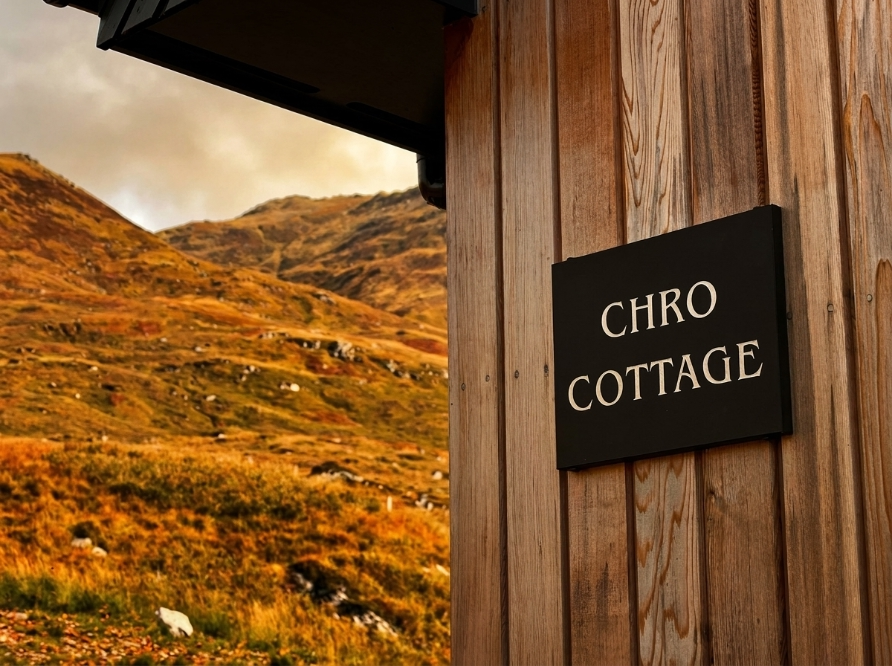
Returning to a comfortable base where you can hang wet gear in a dedicated drying room, light a wood-burning stove, and watch the weather systems roll down the glen from the warmth of a comfortable chair is an essential part of the rhythm of an autumn visit. A self-catering cottage allows you the freedom to cook local produce, maintain your own schedule, and truly disconnect from the pace of modern life, anchoring you in the wild environment just outside the window.
The Enduring Appeal of the Autumn Highlands
Visiting the north of Scotland as the year winds down is an exercise in appreciating raw, untamed nature. It is a time when the landscape demands your attention, offering dramatic visuals, rich wildlife encounters, and a profound sense of space and quiet. It requires a little more preparation and a flexible mindset, but the rewards are unparalleled.
By choosing to travel during this transitional season, you are granted access to a version of the Highlands that feels more intimate, more authentic, and ultimately more memorable.
To explore the area further and find a quiet, comfortable base for your own autumn journey into the glens of Kintail, you can discover more about our accommodation at https://www.luxury-cottages-scotland.co.uk
SEO Title: Scottish Highlands in Autumn: Why It Is the Best Time to Visit
Meta Description: Discover why visiting the Scottish Highlands in autumn offers the best weather, spectacular colours, and quiet roads. Plan your slow-travel journey to Kintail.