
Exploring Kintail: A Guide to the Quiet Side of the Highlands
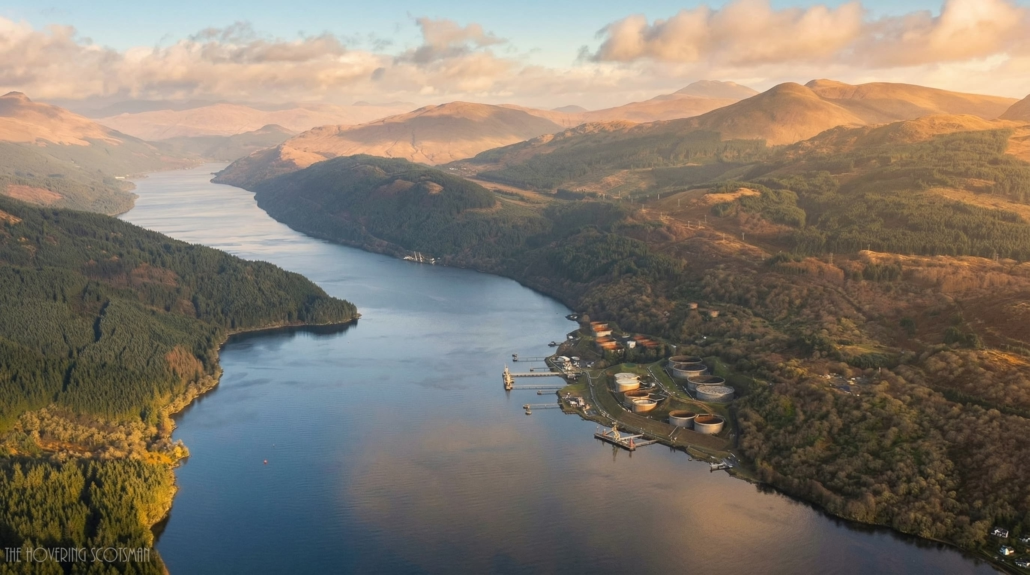
To truly experience this region, one must understand its geography. Kintail sits at the meeting point of three great sea lochs: Loch Duich, Loch Long, and Loch Alsh. This confluence creates a unique microclimate where coastal mists often collide with mountain weather, producing the “dreich” but atmospheric light that photographers prize.
The area is managed largely by the National Trust for Scotland, ensuring that the ridges and glens remain as wild as they were centuries ago. Unlike the more manicured parts of the Highlands, Kintail feels raw. Here, the tracks are often made by deer rather than boots, and the only sound is the rush of the River Chro or the call of a golden eagle.
The Five Sisters of Kintail: More Than a Hike
For many outdoor enthusiasts, the primary draw is the Five Sisters of Kintail. This iconic ridge consists of five distinct summits, three of which are classified as Munros (mountains over 3,000 feet).
-
Sgùrr na Ciste Duibhe (Peak of the Black Chest)
-
Sgùrr na Càrnach (Peak of the Stony Place)
-
Sgùrr Fhuaran (Peak of the Well)
The full traverse is a demanding day out, requiring a high level of fitness and mountain competence. However, slow travellers need not summit every peak to appreciate the scale. The lower slopes of the ridge offer spectacular views across Loch Duich toward the Isle of Skye. The “View of Glen Shiel” from the roadside is famous, but walking just a mile into the hills reveals a perspective that no camera at a lay-by can capture.
The Hidden Wonder: Falls of Glomach
While the mountains dominate the skyline, one of Kintail’s most impressive features is tucked away in the folds of the landscape. The Falls of Glomach are among the highest and most isolated waterfalls in the UK, with a single drop of 113 metres (370 feet).
There is no easy way to reach Glomach. It requires a dedicated hike—roughly five hours for the round trip—starting from the end of the road at Morvich or via the tracks through Strathcroe. The path is steep and, in places, narrow, but the reward is a sight of immense power. Surrounded by sheer rock walls, the water thunders into a deep ravine, often shrouded in spray. It is a location that demands respect and rewards patience, especially for photographers looking for a subject that hasn’t been over-saturated on social media.
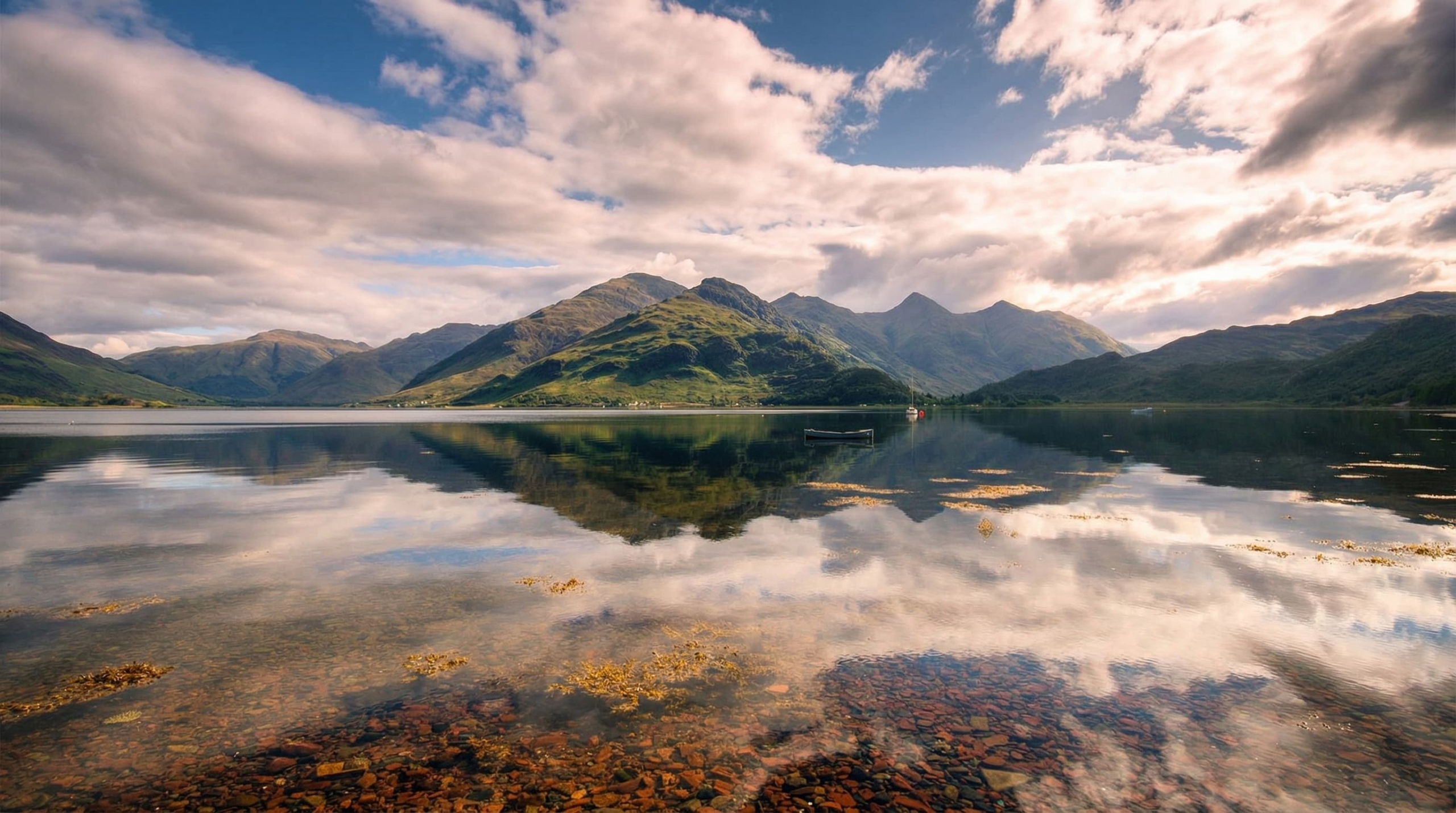
The Photographer’s Perspective: Light and Seasonality in Kintail
Photography in the Highlands is less about “golden hours” and more about “weather windows.” In Kintail, the steep-sided glens mean that the sun can disappear behind the ridges long before official sunset.
Spring and Autumn: The Best of Both Worlds
For those seeking the best light, the shoulder seasons are incomparable. In late March and April, the “Road to the Isles” is often clear, but the high Munros like Beinn Fhada remain capped with snow. This contrast between the fresh green of the valley floor and the white summits provides incredible depth for landscape shots.
Autumn, particularly October, brings a palette of burnt orange and deep gold as the grasses and bracken turn. This is also the time of the red deer rut. The glens echo with the roars of stags, and with a long lens and a quiet approach, photographers can capture these magnificent animals in their natural habitat.
Winter: The High-Contrast Landscape
Winter in Kintail is for the hardy. The days are short, but the sun stays low on the horizon, bathing the landscape in a soft, ethereal glow for much of the day. The Northern Lights (Aurora Borealis) are also a possibility here, thanks to the lack of light pollution. A clear winter night at the head of Loch Duich, with the stars reflecting in the still water, is a transformative experience.
Slow Travel: Finding Your Base in Kintail
The essence of slow travel is staying in one place long enough to see the light change. Rather than rushing through, settling into the local rhythm allows you to notice the tide retreating in the loch or the way the mist clings to the “Five Sisters” across the glen.
Kintail is ideally situated for this. While it feels remote, it is a practical base for exploring further afield.
-
Eilean Donan Castle: Only a ten-minute drive away, this 13th-century fortress is perhaps the most iconic image of Scotland. Visiting early in the morning before the tour buses arrive allows for a much more contemplative experience.
-
The Isle of Skye: The Skye Bridge is a short 20-minute drive from the heart of Kintail, making day trips to the Cuillins or the Trotternish Peninsula very manageable.
-
Glenelg: By taking the traditional turntable ferry from Glenelg to Skye (seasonal), you can experience a slower, more historic way of crossing the water.
Staying Locally
When choosing where to stay, many visitors look for a sense of integration with the landscape. Staying in a traditional crofting community like Inchnacroe or Inverinate provides a direct connection to the history of the area. There are self-catering options tucked away in the glens that offer the warmth and shelter needed after a day on the hills, often featuring large windows that act as frames for the ever-changing Highland weather.
The ability to dry out boots in a dedicated utility room or relax by a log-burning stove while watching the River Chro wind toward the sea is what turns a trip into a genuine retreat.
Practical Advice for Your Highland Journey
Planning a trip to the Highlands requires a blend of ambition and realism. The weather is the primary architect of any itinerary.
Getting Here
Most international travellers fly into Inverness Airport, which is approximately two hours away by car. The drive itself is part of the experience, taking you along the shores of Loch Ness and through the dramatic mountains of Glen Moriston. Alternatively, the train to Kyle of Lochalsh is one of the most scenic rail journeys in the world, offering views that are inaccessible by road.
Essential Gear
Even in summer, the Highlands require preparation.
-
Footwear: Waterproof hiking boots are essential for anything beyond a roadside stroll. The ground is often “boggy,” a word you will quickly become familiar with in Scotland.
-
Layers: The temperature can drop significantly as you gain altitude. A good quality waterproof shell and woollen layers are non-negotiable.
-
Navigation: If you plan on tackling the ridges, do not rely solely on a smartphone. GPS signals can be spotty in the deep glens, and cold weather drains batteries. A paper OS map and compass—and the knowledge of how to use them—are vital.
A Landscape for Discovery
Kintail is not a destination to be “ticked off” a list. It is a place that reveals itself slowly, through the movement of the clouds over the Five Sisters or the sudden appearance of a pine marten in the woods. Whether you are there to conquer the Munros, capture the perfect long-exposure shot of a waterfall, or simply find a quiet corner of the world to breathe, the Northwest Highlands offer a sense of scale and serenity that is increasingly hard to find.
As you plan your journey, remember that the most memorable moments in the Highlands are often the ones you didn’t schedule—the unexpected rainbow over Loch Duich or the silence of a snow-covered glen.
To discover more about the unique landscape of Kintail and to find a peaceful base for your own Highland adventure, explore our quiet corner of the world at Innis-a-Chro Luxury Cottages.