8 Reasons to Experience Spring in the Scottish Highlands
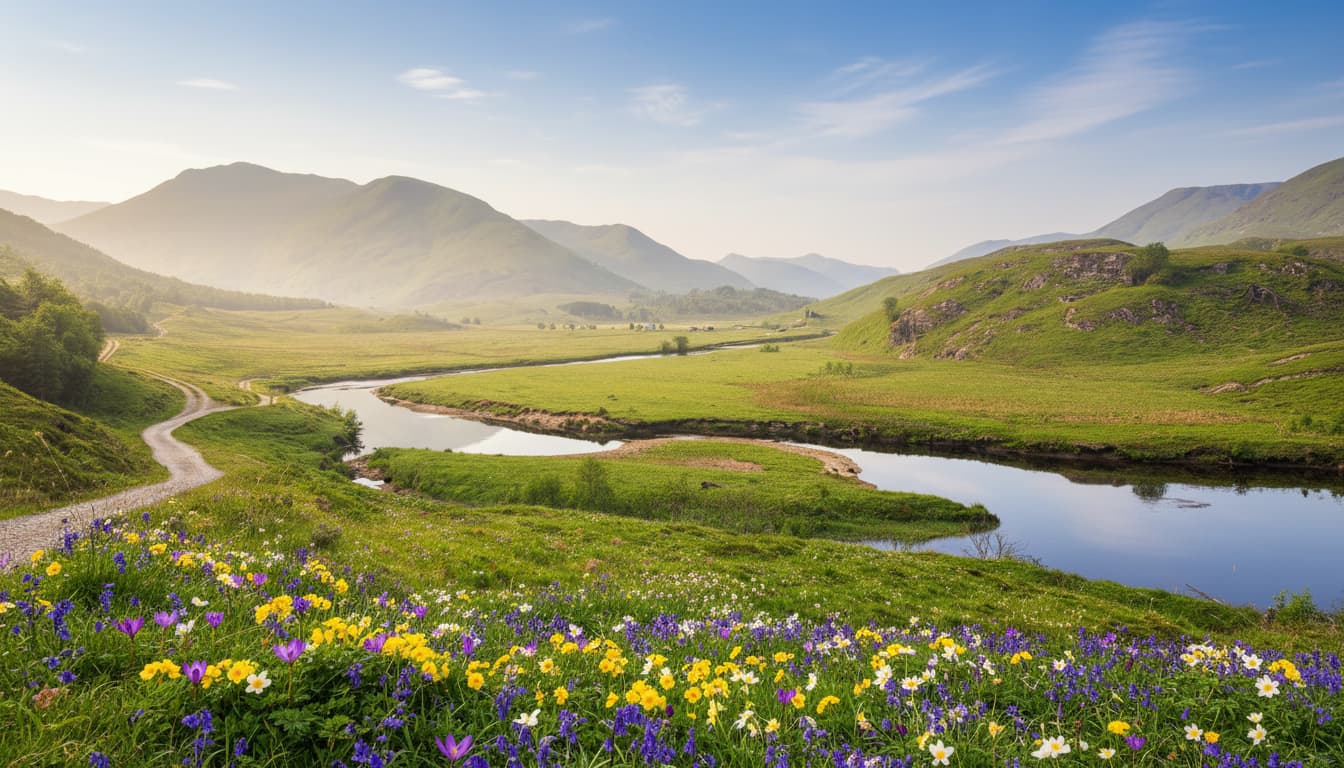
The transition from winter to spring in the north of Scotland is not a quiet affair. It is a visual and auditory awakening. The snowline gradually retreats to the highest peaks, the rivers swell with meltwater, and the glens shift from dormant russet tones to a vibrant, fresh green.
For those currently researching the best time of year to visit, the summer months often seem like the default choice. However, for nature-focused visitors, photographers, and those who appreciate a quieter, more unhurried pace, the months of March, April, and May hold a distinct advantage.
Choosing to explore Spring in the Scottish Highlands means catching the landscape at its most dynamic. If you are planning a journey to the West Coast and seeking a genuine connection with the environment, here are eight reasons why spring is the ideal season for a slow travel escape.
1. Highland Spring Weather is Surprisingly Mild (and Dry)
There is a persistent myth that Scotland is uniformly wet year-round. In reality, the changing of the seasons brings some of the most stable conditions you will encounter.
What is the weather like in the Scottish Highlands in spring?
Spring in the Scottish Highlands brings crisp, refreshing weather with average daytime temperatures ranging from 8°C to 13°C (46°F to 55°F). Statistically, April is one of the driest months of the year in Scotland. While passing rain showers are always a possibility, they frequently give way to bright, clear skies, making it an incredibly rewarding season for outdoor exploration.
Naturally, the Highlands command respect, and you may still experience four seasons in a single afternoon. The key to enjoying Highland spring weather is simply packing intelligently. Bringing reliable waterproofs and breathable layers allows you to comfortably embrace whatever the skies deliver, whether that is a sudden, dramatic flurry of sleet or a long, warm stretch of afternoon sunshine.
2. You Can Enjoy a Midge-Free Scotland
For many seasoned walkers, this is the single greatest benefit of a springtime visit. The Highland midge—a tiny, swarming insect that thrives in damp, still conditions—is a well-known feature of the Scottish summer.
However, midges typically do not begin to hatch until late May or early June. Travelling in March, April, or early May guarantees a midge-free Scotland. This absence fundamentally changes how you interact with the landscape. It allows you to sit by the edge of a sea loch for hours watching for otters, or to carefully set up a tripod in the damp ferns of a forest without the distraction of insect repellent and midge nets.
3. Unrivalled Scottish Highlands Photography Conditions
For landscape photographers, spring offers a golden window of opportunity. During the winter, the days are fleeting, and the light is often lost behind heavy cloud cover. In the height of summer, capturing the dawn requires waking at 3:00 AM, and the midday sun can cast a harsh, flat glare across the glens.
Scottish Highlands photography in spring provides the perfect balance. The golden hours of sunrise and sunset occur at entirely manageable times of the day. Furthermore, the light is incredibly crisp. The frequent rotation of passing showers and bright sunshine clears the atmosphere of haze.
When the dark, bruised clouds of a passing weather front part to let the sun illuminate the snow-capped ridges of the Five Sisters of Kintail, the resulting contrast is a photographer’s dream.
Top spring photography tips:
-
Embrace the weather: Do not put your camera away when it rains. The moments immediately following a downpour offer the most dramatic skies.
-
Focus on the details: Look beyond the grand vistas to capture the intricate frost on morning grass or the rushing water of a newly thawed burn.
-
Carry a microfibre cloth: Keep your lenses clear of spring drizzle to maintain sharp focus.

4. Prime Time for Wildlife in Spring
The lengthening days trigger a surge of activity across the hills and sea lochs. If you are interested in wildlife in spring, the Highlands are a globally significant destination.
Early in the year, you have a strong chance of witnessing the spectacular undulating display flights of golden eagles, which are highly active as they re-establish their territories. On the lower ground, red deer are still grazing in the sheltered glens before the warmer weather encourages them back up to the high corries, making them much easier to observe respectfully from a distance.
Along the kelp-strewn edges of the sea lochs, otters take advantage of the quiet mornings. Because the vegetation has not yet grown to its summer height, spotting these elusive mammals becomes noticeably easier. Meanwhile, migratory birds such as wheatears and ospreys begin to return to the birchwoods and lochs of the north, adding their calls to the warming air.
5. The Blooming of Spring Wildflowers in Scotland
As the soil warms, the ancient broadleaved woodlands and Celtic rainforests of the west coast undergo a profound transformation. The forest floor, dormant for months, erupts into colour.
Spring wildflowers in Scotland are a delicate but magnificent sight. You will find early dog violets and pale yellow primroses sheltering in the mossy crevices of drystone walls. By May, the true spectacle arrives: the blooming of the native Scottish bluebell (Hyacinthoides non-scripta). When the sunlight filters through the budding oak branches and hits a dense carpet of bluebells, it creates a scene of immense, quiet beauty. Unlike the cultivated varieties, the native bluebell possesses a distinctive, sweet scent that fills the damp woodland air.
6. Longer Days for Slow Travel Scotland
The clock change at the end of March instantly transforms the rhythm of a Highland day. By May, the region enjoys up to 15 hours of daylight.
This abundance of time is the cornerstone of slow travel Scotland. There is no need to rush your breakfast to beat the sunset, nor do you have to squeeze your itinerary into a tight, stressful schedule. You can afford to linger over a map, take the long route through a quiet glen, or simply stop the car to watch the tide turn in a sea loch. The extended evenings allow for long, restorative walks after dinner, listening to the twilight calls of returning seabirds.
7. Quieter Roads on the West Coast Scotland
The West Coast Scotland is renowned for its sweeping coastal routes and single-track roads. In the peak months of July and August, these routes naturally attract a large volume of international visitors.
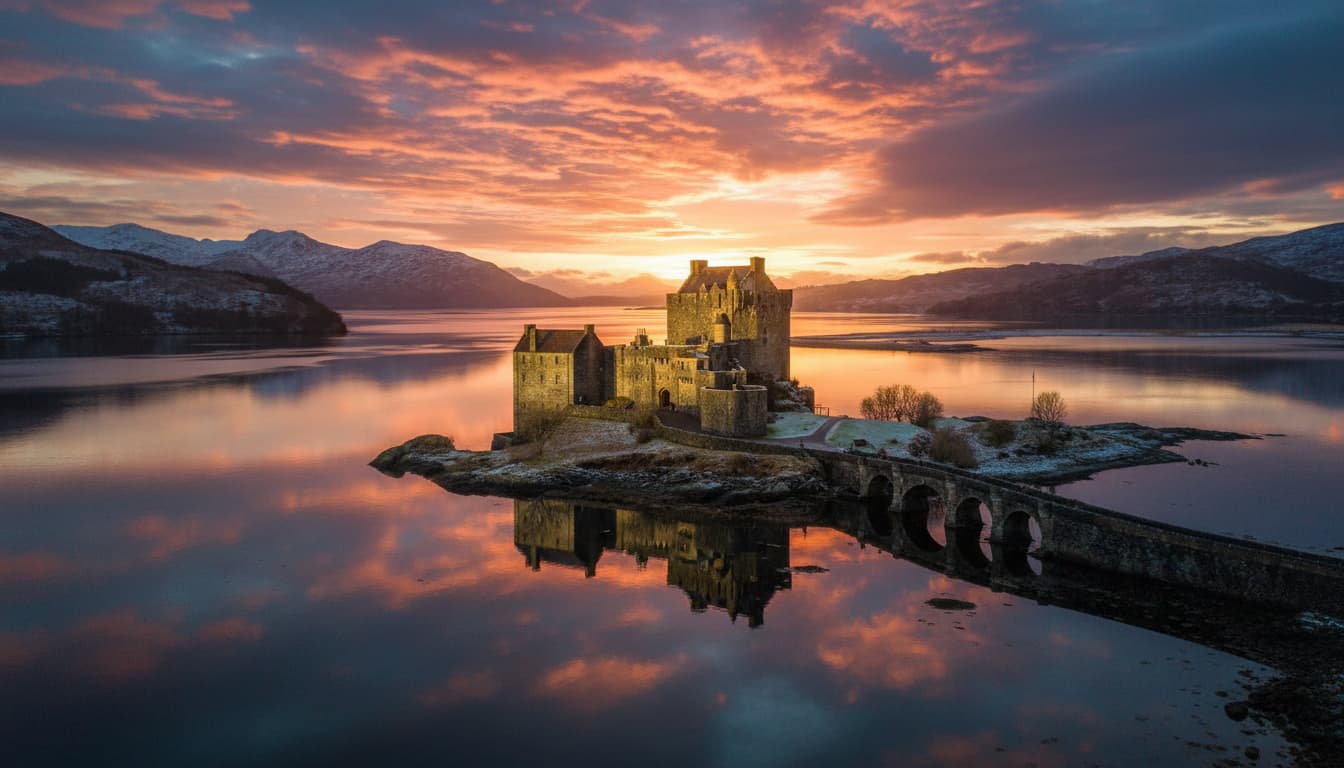
Spring offers the landscape without the logistical congestion. The roads are quieter, the passing places are free, and you can pull over safely to admire the view without feeling pressured by traffic. Iconic historical sites, such as Eilean Donan Castle, can be explored with a sense of peace and intimacy that is difficult to find later in the year. It allows for spontaneous interactions with locals and a far more relaxed driving experience.
8. Kintail Offers the Perfect Grounding Point
To truly appreciate the nuances of a Highland spring, it is vital to have a base that feels deeply connected to the environment, rather than separate from it.
Kintail, where the mountains meet the sea lochs, serves as an exceptional anchor for exploration. It places you within immediate reach of high-ridge walks, ancient woodlands, and the rugged coastline. After a long day out in the bracing spring air—perhaps tracking a photography location or waiting patiently for a glimpse of an eagle—returning to a well-considered, comfortable cottage is essential.
There is a distinct comfort in shedding your hiking boots, lighting a warm fire, and watching the evening shadows lengthen across the glen from your own private space. It transforms a simple holiday into a restorative retreat.
Planning Your Spring Journey
The Scottish Highlands do not require you to conquer them; they simply ask that you observe them. Spring is the season that rewards the patient, the prepared, and the curious. By choosing to visit during these awakening months, you grant yourself the space to experience the landscape exactly as it should be experienced: wild, vivid, and deeply peaceful.
If you are currently planning a nature-focused escape and seeking a comfortable, authentic base in the heart of Kintail, we invite you to learn more about our accommodation and the surrounding landscape.
Discover your ideal Highland retreat at: