
For many, the image of a steam engine billowing white clouds against a backdrop of rugged peaks and deep-blue lochs is the definitive vision of the Scottish Highlands. The Jacobite Steam Train, often cited as one of the greatest railway journeys in the world, is more than just a tourist attraction; it is a portal into the engineering heritage and raw natural beauty of the West Coast.
Whether you are a photography enthusiast hoping to capture the iconic Glenfinnan Viaduct or a slow-travel advocate looking to see the landscape from a different perspective, planning this journey requires more than just a ticket. It demands an understanding of the geography, the seasonal shifts in light, and the logistical nuances of the Lochaber and Kintail regions.
Why the West Highland Line is a Bucket-List Experience
The stretch of track between Fort William and Mallaig represents a masterclass in Victorian ambition. While the “Harry Potter” association has brought global fame to the Glenfinnan Viaduct, the true value of the trip lies in the sections the road cannot reach.
From the shadow of Ben Nevis to the silver sands of Morar, the train traverses terrain that feels untouched by the modern world. For those staying in the quiet glens of Kintail or near the shores of Loch Duich, the Jacobite offers a perfect day trip—a chance to leave the car behind and let the scenery unfold at a rhythmic, historical pace.

How to Book the Jacobite Steam Train: Timing and Tactics
The primary challenge for most visitors is availability. Due to its immense popularity, seats on the Jacobite often sell out months in advance. To ensure you don’t miss out during your stay in the Highlands, consider these strategic booking tips.
1. Identify the Operating Season
The Jacobite typically runs from early April through late October. There are usually two services a day:
-
The Morning Service: Ideal for those who want to reach Mallaig for a long seafood lunch.
-
The Afternoon Service: Often quieter and offers softer light for photographers during the shoulder seasons.
2. Choose Your Carriage Class
-
Standard Class: Restored vintage coaches with padded seating. Great for a classic feel.
-
First Class: Features traditional wood-panelled interiors and more spacious seating. First-class passengers often receive complimentary tea and coffee.
-
The Harry Potter Style Carriages: Located within First Class (Compartment D), these feature the six-person private booths seen in the films.
3. Use the Official Operator
Tickets should be booked directly through West Coast Railways. While some third-party tour operators offer packages, booking direct gives you the most flexibility and the most accurate real-time availability.
Travel Note: If the steam train is fully booked, do not despair. The ScotRail Sprinter service runs the exact same line several times a day. While it lacks the steam engine’s whistle and vintage aesthetic, the windows are large, the tickets are significantly cheaper, and you see the exact same world-class views.
Logistics: Getting to the Starting Point from Kintail
If you are using Innis-a-Chro or the surrounding Kintail area as your base, the journey to the train’s starting point in Fort William is an experience in itself.
The drive from Kintail to Fort William takes approximately 1 hour and 15 minutes via the A87 and A82. It is a spectacular route that passes through the Great Glen and skirts the banks of Loch Lochy.
-
Parking: Fort William station has a dedicated long-stay car park, but it fills up early. Arriving at least 45 minutes before your departure is recommended.
-
Check-in: You don’t need to “check in” like a flight, but you should have your booking reference or printed tickets ready for the stewards on the platform.
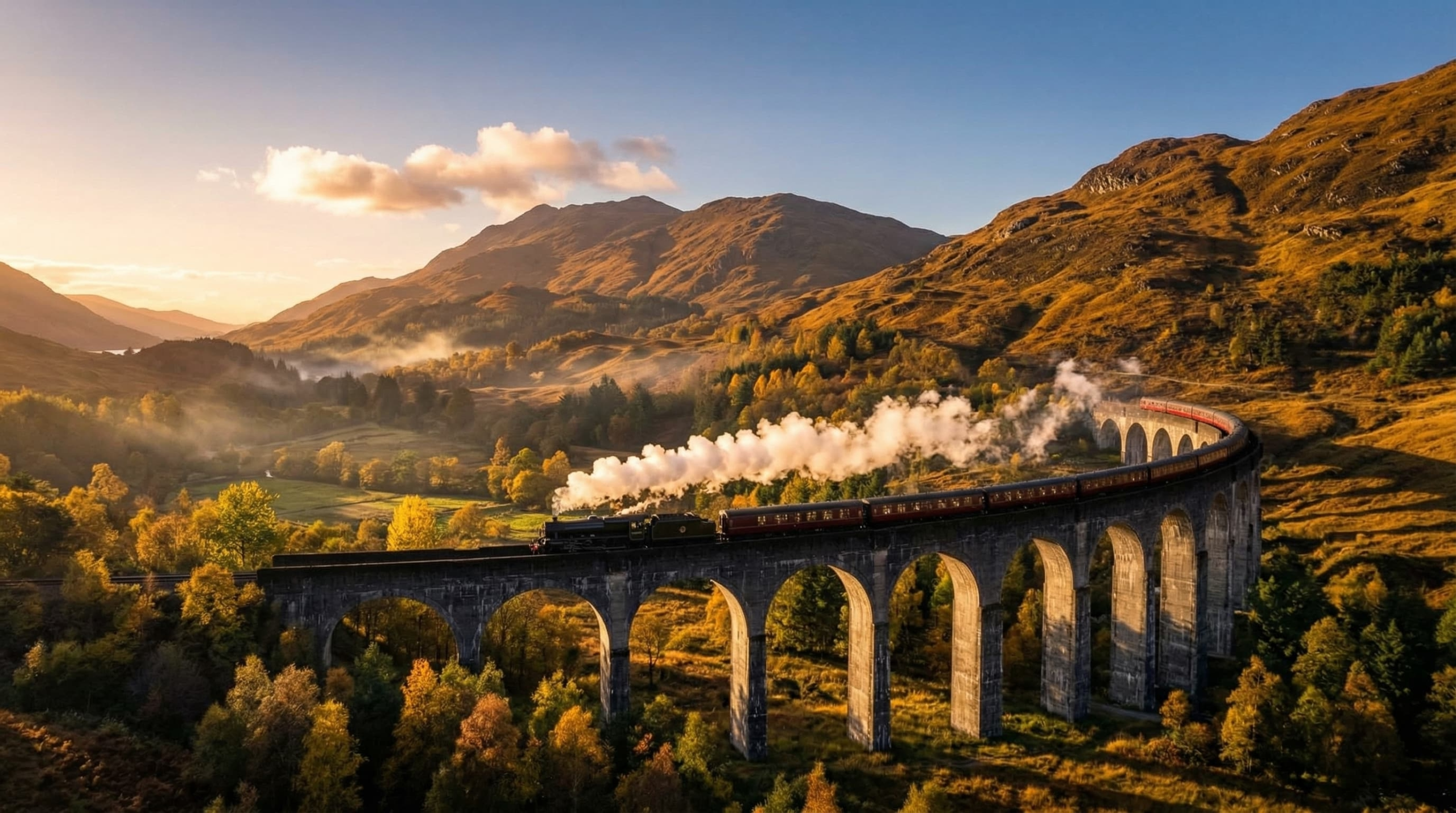
Photography Tips: Capturing the Glenfinnan Viaduct
For many, the highlight of the journey is crossing the 21-arched Glenfinnan Viaduct. To get the best photograph, you need to decide whether you want to be on the train or watching it.
If you are on the train:
The train will slow down as it crosses the viaduct to allow passengers to take photos.
-
The “Curve” Shot: To capture the engine as it curves across the arches, you want to be seated in the back half of the train for the outward journey (Fort William to Mallaig).
-
Window Etiquette: Be mindful of other passengers. Most people are there for the same view, so a bit of coordination with your carriage-mates goes a long way.
If you are viewing from the ground:
Many visitors choose to drive to Glenfinnan specifically to photograph the train passing over them.
-
The Trail: There is a well-maintained trail leading from the Glenfinnan Visitor Centre to several viewpoints. The “classic” high-angle shot requires a short, slightly steep walk.
-
Timing: The train usually crosses the viaduct approximately 30 to 40 minutes after departing Fort William. Check the daily timetable and arrive at least an hour early to secure a spot, as the hillside can become crowded.
Exploring Mallaig: The End of the Line
The train stops in the fishing port of Mallaig for about two hours (depending on the service) before the return leg. This is a working port, providing a grit and authenticity that contrasts beautifully with the romanticism of the train ride.
-
Seafood: Mallaig is famous for its smoked kippers and fresh catches. Several small chippies and restaurants sit right by the harbour.
-
The Views: On a clear day, you can look across the Sound of Sleat to the Isle of Skye and the jagged peaks of the Cuillin.
-
Short Walks: If you have the energy, follow the “Mallaig Circuit” walk for an elevated view of the harbour and the surrounding islands before heading back to the station.
The Landscape and the Light: A Seasonal Guide
The Highlands change character completely depending on when you visit.
Spring (April – May)
The peaks may still be capped with snow, while the glens begin to turn a vibrant green. This is often the driest period, offering clear, crisp views of the islands.
Summer (June – August)
The days are incredibly long. While this is the busiest time, the lushness of the ferns and the purple heather beginning to bloom on the hillsides creates a rich, saturated palette for artists and photographers.
Autumn (September – October)
Perhaps the most dramatic time for the West Highland Line. The bracken turns to copper and gold, and the mist often hangs low in the glens, creating the “moody” Highland atmosphere that many travellers seek. The light is softer and lower in the sky, which is ideal for photography.
Planning Your Highland Retreat
While the Jacobite is a highlight of any trip to the West Highlands, the secret to a successful visit is balance. The bustle of Fort William and the popularity of the steam train are best experienced when you have a quiet, secluded place to return to at the end of the day.
The region of Kintail offers this equilibrium. Located north of the Great Glen, it remains one of the more rugged and “authentic” parts of the Highlands. Here, the mountains—the Five Sisters of Kintail—are steeper, the lochs are deeper, and the pace of life feels tethered to the environment rather than the tourist calendar.
When researching your base, look for locations that offer:
-
Proximity to Key Sites: Somewhere that allows for day trips to Fort William, the Isle of Skye, and Eilean Donan Castle.
-
Direct Access to Nature: Ideally, a place where you can step out of your door and be on a hill path within minutes.
-
Modern Comfort in a Wild Setting: The Highlands can be unforgiving; having a warm, well-equipped space to retreat to after a day in the elements is essential.
A Note on Sustainable Travel
The West Highlands are a fragile ecosystem. When visiting, we encourage the “leave no trace” philosophy. Stick to marked paths at Glenfinnan, support local independent businesses in Mallaig, and consider the impact of your travel. By choosing to stay in locally-owned accommodation and respecting the natural landscape, you help preserve the magic of the Highlands for future generations.
Conclusion
Booking a seat on the Jacobite Steam Train is more than just securing a ticket; it is a commitment to experiencing the Scottish landscape at its most dramatic. From the rhythmic clatter over the Glenfinnan arches to the salty air of Mallaig, it is a journey that stays with you long after the steam has dissipated.
As you plan your Highland itinerary, remember that the best experiences are often those that blend iconic landmarks with quiet moments of discovery. Whether you are scaling a Munro or watching the sunset over Loch Duich, the West Coast offers a sense of scale and peace that is increasingly hard to find.
Ready to start planning your Highland escape? To discover more about the hidden gems of Kintail and find a refined base for your West Coast adventures, explore our local guides and accommodation at Innis-a-Chro Luxury Cottages.